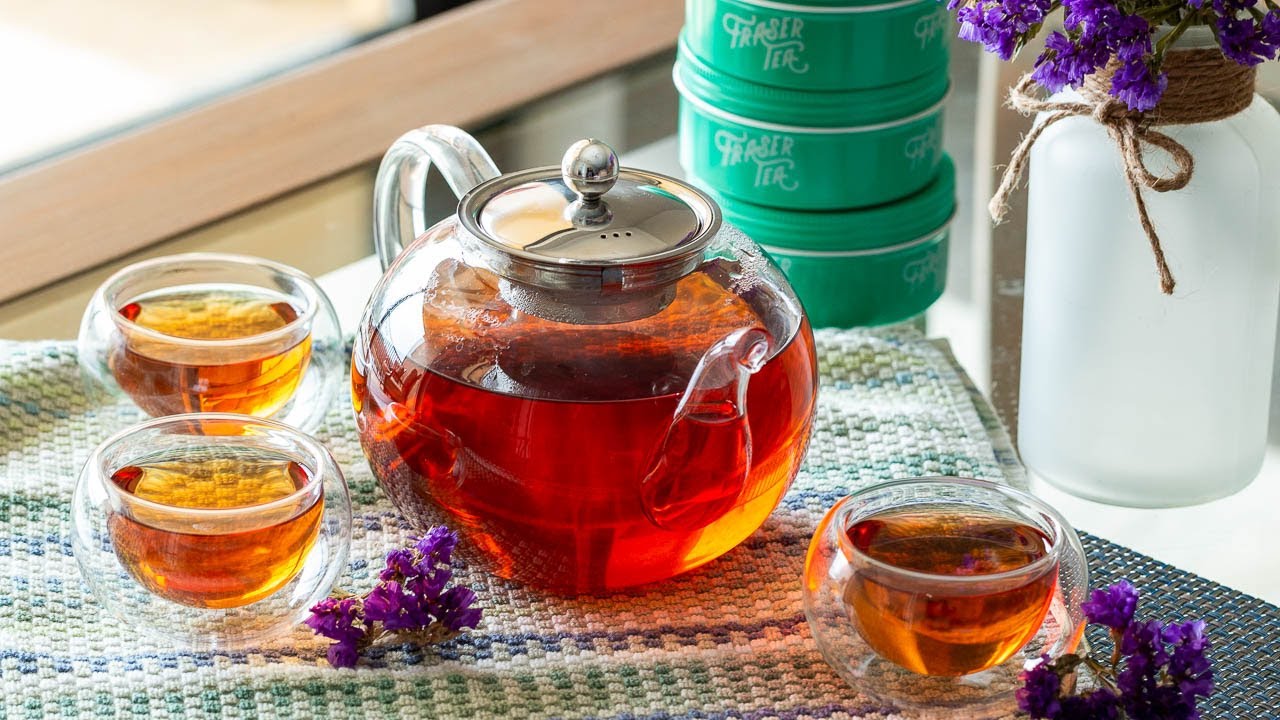
Brewing loose-leaf tea is a ritual steeped in tradition, patience, and care. Unlike the quick convenience of tea bags, loose leaf tea offers unmatched flavor, aroma, and freshness. Whether you’re exploring tea for the first time or refining your brewing method, this guide will walk you through the essentials to create a perfectly brewed cup every time.
Let’s take a look at how you can turn loose leaves into a professional-grade tea experience.
Why Loose Leaf Tea is Worth It
Loose leaf tea isn’t just about aesthetics — it’s about quality. Most bagged teas use broken or crushed leaves, which lose their natural oils and flavors more quickly. Loose leaf tea, on the other hand, typically includes whole leaves that provide more complexity, fragrance, and depth.
Key Advantages:
- Richer flavor from unbroken leaves
- Customizable blends and strength
- Fewer additives compared to mass-produced bags
- Sustainable and often uses less packaging
When you brew loose-leaf tea correctly, you’re treating yourself to a superior sensory experience.
Essentials You’ll Need
Before you begin brewing, make sure you have the right tools. Here’s a simple list of must-haves and nice-to-haves:
Must-Haves:
- Loose leaf tea (green, black, oolong, white, or herbal)
- Teapot or mug (ceramic or glass recommended)
- Infuser or strainer (or a gaiwan if you’re going traditional)
- Kettle for heating water
- Filtered water (improves taste significantly)
- Timer (for accurate steeping)
Optional (but helpful):
- Thermometer (to monitor water temp)
- Tea scale (for precise measurements)
- Tea tray (for organized brewing)
Having the right setup helps create consistency and brings out the full character of the tea.
Step-by-Step Brewing Instructions
1. Select the Right Tea
Each tea has its own profile and needs. Choose your tea based on what flavors you enjoy and the experience you want:
- Green tea – fresh, vegetal, needs gentle temperatures
- Black tea – strong, full-bodied, handles high heat
- Oolong tea – floral and complex, sits between green and black
- White tea – delicate and mild, prefers lower temps
- Herbal teas – caffeine-free, bold flavors, forgiving brewing
Buy from trusted sources and opt for teas with visible whole leaves or minimal breakage.
2. Measure Thoughtfully
A standard measure is 1 teaspoon of tea for every 8 ounces of water. If you’re using bulkier leaves (like white tea), use up to 1.5 teaspoons. For better accuracy, weigh your tea — most use 2 to 3 grams per cup.
Too little tea results in a weak brew, while too much can make it bitter or overpowering.
3. Heat Water to the Right Temperature
Not all teas like boiling water. In fact, some can be ruined by it. Here’s a basic guide:
- White tea: 160–175°F (71–79°C)
- Green tea: 170–185°F (77–85°C)
- Oolong tea: 185–205°F (85–96°C)
- Black tea: 200–212°F (93–100°C)
- Herbal tea: 212°F (100°C)
If you don’t have a thermometer, just let the water cool for a minute or two after boiling before pouring over more delicate teas like green or white.
4. Preheat Your Vessel
Pre-warming your teapot or mug prevents sudden temperature drops that can interfere with steeping. Just pour a bit of hot water in, swirl it around, then discard. This small step keeps everything consistent.
5. Steep with Precision
Each tea has an ideal steeping time:
- White tea: 4–5 minutes
- Green tea: 2–3 minutes
- Oolong tea: 3–5 minutes
- Black tea: 3–4 minutes
- Herbal tea: 5–7 minutes
Use a timer. Eyeballing it often leads to over-steeping, which pulls out tannins and makes the tea bitter or dry.
6. Remove Leaves on Time
As soon as your timer goes off, remove the leaves. Leaving them in even a minute too long can cause over-extraction. Whether you’re using an infuser or strainer, take them out promptly to lock in the best flavor.
7. Taste First, Sweeten Later
Before adding any sugar, honey, or milk, taste your tea on its own. Good-quality loose-leaf teas are balanced and flavorful without needing anything extra. Sweeteners can sometimes drown out delicate flavor notes, especially in green and oolong teas.
Advanced Tips for Better Brewing
Use Filtered Water
Your tea is 99% water, so the water you use matters. Tap water can carry chlorine and other elements that dull your tea. Filtered or spring water is ideal.
Don’t Cramp the Leaves
Loose-leaf tea needs room to expand. Make sure your infuser is big enough for the leaves to unfurl fully. Crowded leaves mean under-extraction and muted flavors.
Rinse (Optional)
Some teas, especially oolong or fermented teas like pu-erh, benefit from a quick rinse: pour hot water over the leaves, wait 10 seconds, then discard. This preps the leaves and clears out any dust or residue.
Re-Steep for More Enjoyment
High-quality loose-leaf tea can be brewed multiple times. In fact, some teas get even better on the second or third steeping. Just slightly increase the steeping time each round.
Cleaning and Storage
After brewing, rinse your infuser and pot thoroughly. Leftover leaves and residue can affect the taste of your next brew.
To store your tea:
- Use an airtight container
- Keep it away from light, heat, and moisture
- Avoid storing it near strong odors
Proper storage preserves freshness and flavor for months.
Mistakes to Watch Out For
Even experienced tea drinkers sometimes slip up. Avoid these common errors:
- Brewing green tea with boiling water
- Steeping longer than recommended
- Using an infuser that’s too small
- Measuring tea carelessly
- Storing tea in clear or unsealed containers
Being mindful of these mistakes can instantly improve your test results.
Final Thoughts
Mastering the art of brewing loose leaf tea doesn’t require expensive tools or a formal tea ceremony. It’s about respecting the leaves, the water, and the process. With the right techniques, anyone can enjoy a rich, complex, and satisfying cup of tea.
Once you learn how to brew loose-leaf tea correctly, you’ll rarely go back to tea bags. It’s not just a drink — it’s a moment of calm, connection, and craftsmanship.