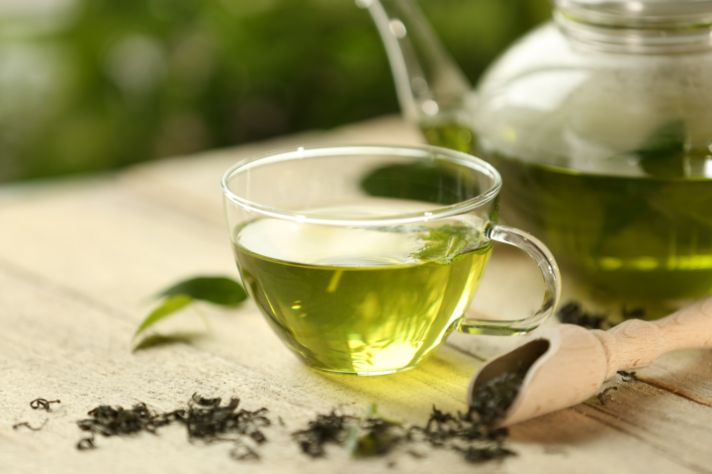
Green tea is one of the most beloved and ancient beverages in the world, valued not only for its refreshing flavor and calming effects but also for its rich array of health benefits. Packed with antioxidants, green tea has been linked to improved metabolism, brain function, heart health, and even stress reduction. But despite its virtues, many tea drinkers find green tea bitter, grassy, or just plain unpleasant.
Why? Because green tea is delicate — more so than black or herbal teas — and it requires mindful brewing to bring out its best qualities. The good news is: brewing green tea correctly isn’t complicated; it’s just precise.
In this complete guide, we’ll explore why bitterness happens, and how you can avoid it by following a few essential techniques. Whether you’re a beginner or an experienced tea enthusiast looking to perfect your method, this step-by-step guide will help you brew green tea like a true connoisseur.
1. Start with High-Quality Green Tea
The foundation of a smooth, flavorful cup of green tea begins with the leaves themselves. If you’re using crushed tea bags from a supermarket, chances are you’re starting off with lower-grade, dust-like tea that’s more prone to bitterness.
Loose-leaf tea is your best bet. It typically consists of whole or partially broken leaves, which retain more oils, aromas, and flavor complexity.
Types of High-Quality Green Teas to Try:
- Sencha – a grassy, umami-rich Japanese tea
- Longjing (Dragon Well) – a mellow, nutty Chinese green tea
- Gyokuro – shade-grown Japanese tea with intense sweetness and low bitterness
- Gunpowder – rolled Chinese tea with smoky, strong flavor
- Matcha – powdered green tea with a rich, creamy taste (requires a different preparation method)
Pro Tip: Buy from reputable vendors who specialize in fresh, single-origin teas. Look for packaging that includes harvest date, region, and proper storage instructions.
2. Use the Correct Tea-to-Water Ratio
Using too much or too little tea can dramatically alter your brew. Too much leaf will over-concentrate the flavors and pull out excess tannins, leading to bitterness. Too little, and you’ll get a watery, bland cup.
General Guidelines:
- Loose Leaf Green Tea: 1 teaspoon (roughly 2–3 grams) per 8 ounces of water
- Delicate Teas (like Gyokuro): Slightly less, around 1.5 grams per cup
- Denser Teas (like Gunpowder): Up to 1.5 teaspoons
If you’re serious about consistency, invest in a digital scale for precise measurement.
3. Water Temperature: The Most Critical Factor
This is where most people go wrong. Green tea leaves are far more sensitive to heat than other types of tea. Boiling water scorches the leaves, extracting too many tannins, which results in bitterness and astringency.
Ideal Brewing Temperatures:
| Tea Type | Temperature Range |
|---|---|
| Sencha | 65–75°C (150–170°F) |
| Longjing | 75–85°C (170–185°F) |
| Gyokuro | 50–60°C (122–140°F) |
| Gunpowder | 80–85°C (176–185°F) |
No thermometer? Boil your water and let it sit for:
- 1 minute = ~90°C (194°F)
- 2 minutes = ~80°C (176°F)
- 3 minutes = ~70°C (158°F)
4. Watch the Steep Time Closely
Even if your water temperature is perfect, steeping green tea too long will bring out bitter notes. Green tea is quick to infuse, and timing makes a big difference.
Suggested Steep Times:
- Sencha: 1–2 minutes
- Longjing: 2–3 minutes
- Gyokuro: 2–2.5 minutes
- Gunpowder: 2–3 minutes
Always use a timer. Oversteeping is a top reason why green tea turns bitter.
5. Choose the Right Water for Better Flavor
Tea is 99% water, so poor-quality water can ruin even the finest leaves. Tap water often contains chlorine and minerals that distort the flavor.
Best Water Options:
- Filtered water
- Spring water (low in minerals)
Avoid:
- Distilled water – too “flat”
- Hard water – mineral-heavy and can leave a dull aftertaste
6. Select the Proper Teaware
While you can technically brew green tea in any cup or pot, the right tools make the process smoother and more enjoyable, and can even improve the flavor.
Recommended Teaware:
- Kyusu (Japanese side-handle pot) – Ideal for sencha and gyokuro
- Gaiwan (Chinese lidded bowl) – Great for tasting sessions and short steeps
- Glass or Porcelain Teapots – Neutral materials that don’t affect taste
Avoid: Metal or cast iron pots – They retain heat too long and can raise the steeping temperature beyond optimal levels.
7. Let the Leaves Breathe — Don’t Crush or Stir
Once your tea has finished steeping, resist the urge to squeeze the leaves or stir the pot. This can force out harsh flavors and increase bitterness.
Instead, remove the leaves or strain the tea gently and enjoy the brew as is. Many high-quality green teas are designed to be re-steeped multiple times, with each infusion revealing new nuances.
8. Try Cold Brewing for a Naturally Sweet Cup
If you’re especially sensitive to bitterness, cold brewing is a wonderful technique. It extracts the tea’s delicate flavors and sweetness without drawing out the bitter compounds.
How to Cold Brew Green Tea:
- Add 1–2 teaspoons of loose leaf tea per 8 ounces of cold water
- Place in the refrigerator for 6–8 hours
- Strain and serve over ice
It’s incredibly refreshing and a great way to enjoy green tea during hot weather or on the go.
9. Re-Steep for Layered Flavor
Most green teas can be steeped two or three times, sometimes more, depending on quality. In fact, the second and third infusions are often smoother and richer.
Re-Steeping Guidelines:
- Slightly increase steep time with each brew (add 30–60 seconds)
- Lower the water temperature slightly for delicate teas
- Observe how the flavor evolves — this is part of the experience!
10. Store Your Green Tea Properly
Improper storage can degrade your tea quickly. Green tea is sensitive to light, moisture, heat, and air. Keep it sealed and safe to maintain freshness.
Tea Storage Tips:
- Use airtight, opaque containers
- Store in a cool, dark place (pantry or cabinet)
- Avoid storing near strong-smelling foods like spices
- Use within 6–12 months for peak flavor
Common Green Tea Brewing Mistakes to Avoid
- Using boiling water – the biggest cause of bitterness
- Over-steeping – leads to a harsh, grassy taste
- Poor water quality – flat or metallic flavor
- Low-grade tea – bitter by default
- Improper storage – stale, lifeless tea
Correcting just one of these mistakes can completely transform your tea experience.
Final Thoughts: Brewing Green Tea Is a Mindful Ritual
Brewing green tea isn’t just about making a beverage—it’s about slowing down and practicing presence. Each step invites mindfulness, from heating the water to watching the leaves unfurl. With a little attention and care, you can create a smooth, aromatic, and perfectly balanced cup every time.
So, next time your tea tastes off, don’t give up on green tea—adjust your technique, experiment with timing and temperature, and soon you’ll find your sweet spot. The rewards? A cleaner palate, a calmer mind, and a whole new appreciation for one of the world’s oldest and healthiest drinks.