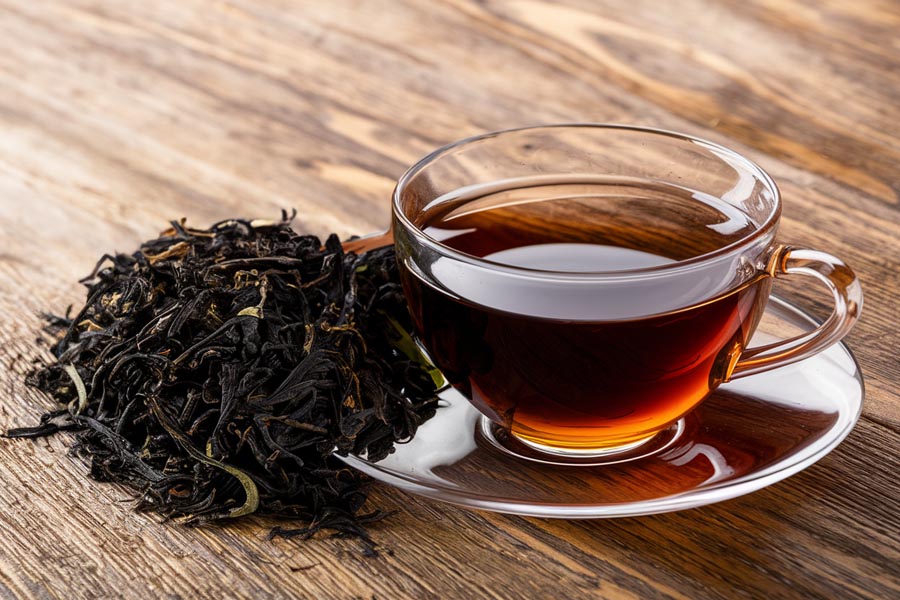
Black tea, known for its bold flavor and rich aroma, has captivated tea lovers for centuries. Whether you’re sipping a malty Assam in the morning or winding down with a smooth Darjeeling in the afternoon, the way you brew black tea dramatically impacts how it tastes. Brewing black tea isn’t just about pouring hot water over tea leaves—it’s a process that involves precision, patience, and attention to detail.
In this guide, we’ll walk you through everything you need to know to brew black tea like a pro. From choosing the right leaves to getting the water temperature just right, you’ll discover the secrets to unlocking every layer of flavor and aroma in your cup.
1. Choose High-Quality Loose Leaf Tea
The foundation of a great cup of black tea begins with quality leaves. While tea bags are convenient, they often contain lower-grade tea dust or fannings that can result in a dull, bitter brew. Loose leaf tea, on the other hand, offers whole or larger leaves that preserve essential oils and flavor compounds.
What to Look for:
- Whole, unbroken leaves: These steep slowly and release a more complex profile.
- Freshness: The tea should have a strong, pleasant aroma. Old tea can taste flat or stale.
- Origin and variety: Different regions produce unique flavor notes—Assam is strong and malty, Darjeeling is light and floral, and Ceylon offers a brisk, citrusy flavor.
2. Use Fresh, Filtered Water
Tea is over 95% water, so the water you use makes a big difference. Always start with cold, filtered water to avoid impurities or chlorine affecting the flavor.
Why it matters:
- Tap water with high mineral content can dull your tea.
- Distilled water may lack the minerals needed to fully extract the flavor.
- Filtered spring water tends to strike the perfect balance, allowing the tea leaves to shine.
3. Mind the Water Temperature
One of the most common mistakes in black tea brewing is overheating the water. While black tea requires hot water, boiling it too hard or for too long can scorch the leaves and make your tea taste bitter.
Ideal Temperature:
- Black tea brews best at 90–96°C (194–205°F).
- To get this without a thermometer, bring the water to a rolling boil and let it sit for about 30 seconds before pouring over the leaves.
4. Measure Your Tea Correctly
Getting the right ratio of tea to water is key to a balanced cup. Too little tea results in a weak brew, while too much can make it overpowering or astringent.
General guideline:
- 1 teaspoon of loose leaf tea per 8 oz (240 ml) of water.
- If you’re brewing stronger varieties like Assam or Kenyan black tea, you might want to add a bit more for a robust cup.
- For precision, consider using a digital scale—approximately 2 to 3 grams per cup is a great starting point.
5. Steep Time Matters
Oversteeping is one of the biggest culprits of bitterness in black tea. Each type of black tea has its own optimal steeping time, but generally, 3 to 5 minutes works best.
Steeping guidelines:
- Assam or Breakfast Blends: 3–5 minutes
- Darjeeling (First or Second Flush): 2–4 minutes
- Ceylon or Keemun: 3–4 minutes
- If you like your tea stronger, add more leaves rather than extending the steeping time.
6. Choose the Right Teaware
Using the appropriate teapot or cup enhances the brewing process. Glass, porcelain, or ceramic teapots are ideal for black tea as they retain heat well without affecting the taste.
Avoid plastic or metal that may add unwanted flavors. A tea infuser or strainer is essential for loose leaf tea to separate the leaves from your drink after steeping.
7. To Add or Not to Add: Milk, Sugar, or Lemon?
How you finish your cup is a matter of personal preference, but it also depends on the type of black tea you’re drinking.
- Milk: Pairs well with bold, malty teas like Assam or English Breakfast.
- Sugar or Honey: Enhances sweetness without masking flavor.
- Lemon: Complements lighter teas like Darjeeling or Ceylon, but never mix lemon and milk—it can curdle.
Try sipping your tea plain first to fully experience its flavor profile before adding anything.
8. Mastering Multiple Infusions
While green or oolong teas are more commonly re-steeped, certain high-quality black teas can be brewed multiple times with satisfying results.
To do this:
- Increase steeping time by 30–60 seconds for each additional brew.
- Use slightly cooler water to prevent over-extraction.
- Second or third steps often reveal subtle notes that weren’t present in the first.
9. Store Your Tea Properly
Tea is sensitive to light, moisture, and air. Improper storage can quickly degrade its flavor and aroma.
Storage tips:
- Keep tea in an airtight container.
- Store in a cool, dry, and dark place.
- Avoid strong odors—tea can absorb nearby smells easily.
- A dedicated tea tin or ceramic jar works well. Never leave your tea in its original paper packaging if you plan to keep it for more than a week or two.
10. Experiment and Take Notes
Everyone’s taste buds are different. Don’t be afraid to tweak the steep time, temperature, or amount of tea to suit your preferences. Keeping a tea journal can help you track what works and what doesn’t for each type of tea.
Include notes like:
- Tea variety and origin
- Water temperature and steep time
- Taste notes (bitterness, sweetness, floral, smoky, etc.)
- Whether you added milk or sugar
Final Thoughts
Brewing black tea to perfection is both an art and a science. It requires the right ingredients, attention to detail, and a bit of experimentation. By following the steps in this guide, you’ll not only avoid common mistakes like bitterness or weak flavor, but you’ll also unlock the full potential of every leaf.
Whether you’re a casual drinker or an aspiring tea connoisseur, mastering the brewing process will transform your daily tea routine into a richer, more satisfying experience. Each cup becomes not just a drink, but a ritual—one that invites focus, calm, and enjoyment.