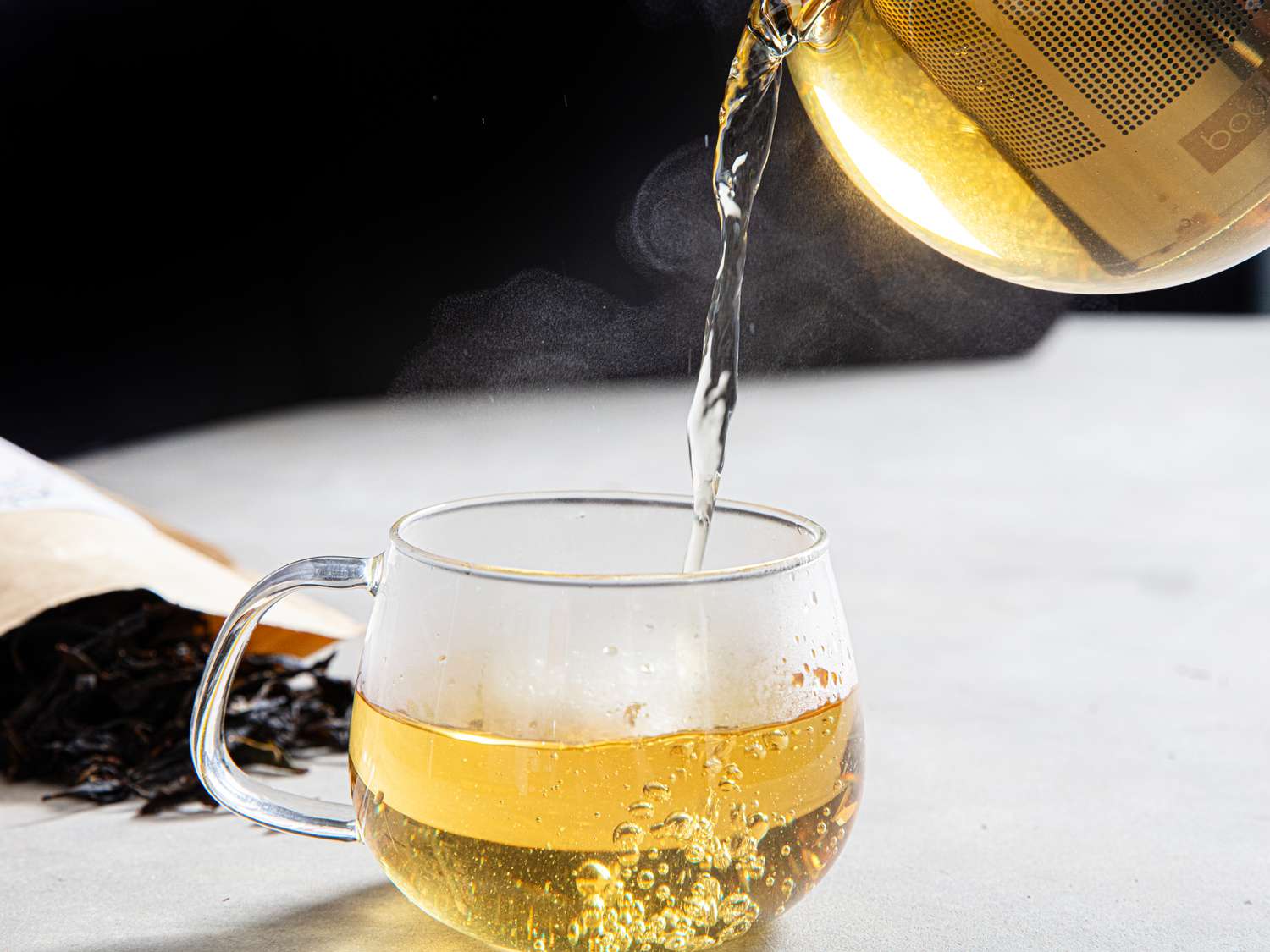
Tea is more than a beverage—it’s a tradition, a ritual, and for many, an essential part of daily life. But making the perfect cup of tea isn’t just about tossing a bag into hot water. Behind every great cup is a bit of science that balances flavor, aroma, and the preservation of nutrients. Understanding the factors that influence brewing—like water temperature, steeping time, tea type, and water quality—can take your tea game to an entirely new level. In this post, we’ll break down the essential scientific principles that lead to the perfect brew and explain how to apply them in your daily tea-making routine.
Why Brewing Tea Properly Matters
When tea leaves meet water, a complex process of extraction begins. This extraction determines the aroma, flavor profile, and even the health benefits of your cup. Improper brewing can destroy delicate compounds, create bitterness, or strip your tea of the very characteristics that make it enjoyable.
Whether you’re brewing black, green, white, oolong, or herbal tea, the goal is to maximize the desirable compounds like polyphenols, amino acids (especially theanine), caffeine, and essential oils—while minimizing the extraction of tannins and other bitter substances.
Understanding the Chemistry of Tea Leaves
Tea leaves contain thousands of compounds, but the key ones affecting flavor and health benefits include:
- Catechins (a type of antioxidant)
- Caffeine
- Theanine (amino acid contributing to a calming effect)
- Tannins (responsible for bitterness and astringency)
- Essential oils (flavor and aroma)
These components react differently to temperature and time. Brewing too hot can destroy catechins and exaggerate tannins, while steeping too long can lead to over-extraction.
Water Temperature: The Critical Variable
Not all teas require boiling water. Different types of tea release their best qualities at specific temperatures:
- Green tea: 70°C to 80°C (158°F to 176°F)
High temperatures will destroy the delicate catechins and make the tea bitter. - White tea: 75°C to 85°C (167°F to 185°F)
A gentle brew enhances its natural sweetness and floral aroma. - Oolong tea: 85°C to 95°C (185°F to 203°F)
These partially oxidized leaves require a slightly higher temperature to release complex flavors. - Black tea: 95°C to 100°C (203°F to 212°F)
Needs nearly boiling water to fully extract robust flavors and caffeine. - Herbal teas: 95°C to 100°C (203°F to 212°F)
Since they’re not technically teas but infusions, boiling water is needed for full extraction.
Tip: Always let the kettle rest for 30–60 seconds after boiling to reduce the temperature slightly if you’re brewing green or white tea.
Steeping Time: Patience Makes Perfect
Oversteeping is one of the most common tea-brewing mistakes. The right amount of time is critical:
- Green tea: 1–3 minutes
- White tea: 2–4 minutes
- Oolong tea: 3–5 minutes
- Black tea: 3–5 minutes
- Herbal tea: 5–7 minutes
Too short, and your tea will be bland; too long, and it will be unpleasantly bitter or overly tannic. It’s best to follow the recommended time and taste as you go.
Tea-to-Water Ratio: The Right Balance
Using too many leaves can make your tea overwhelming, while too few will taste weak. The standard guideline:
- 1 teaspoon of loose tea per 8-ounce (240ml) cup of water
For stronger teas like black or oolong, you may increase slightly. For lighter ones like white or green, stick to the base ratio. With tea bags, one bag per 8 ounces generally works.
Water Quality: Often Overlooked, Always Important
Water makes up over 95% of your cup of tea, yet it’s often the most neglected element. Using poor-quality water—like hard water or chlorinated tap water—can drastically affect the flavor and clarity of your brew.
Best Practices:
- Use filtered water for a cleaner taste.
- Avoid distilled water as it lacks the minerals that bring out tea’s subtle notes.
- Soft to medium-hard water is ideal for most teas.
The Impact of Vessel and Covering
Your brewing vessel can subtly impact the final flavor. Porcelain or glass teapots are best for delicate teas, while ceramic or clay pots can retain heat well for stronger teas like oolong or black.
Additionally, covering your tea while it steeps retains volatile aromatic compounds that would otherwise dissipate. Especially for herbal and green teas, this preserves both aroma and antioxidants.
Loose Leaf vs. Tea Bags: Which is Better?
Loose-leaf teas generally offer higher quality leaves and richer flavors. Tea bags often contain dust or fannings, which are the broken remnants of leaves.
Benefits of loose leaf:
- Better infusion and expansion.
- Fuller extraction of flavor.
- More control over strength and customization.
If you prefer convenience, opt for pyramid tea bags, which allow better water circulation compared to traditional flat bags.
The Role of Agitation: Stirring or Not?
Stirring or swirling your tea slightly while steeping can help even out the extraction process, especially in loose leaf brewing. However, excessive stirring can introduce air and lead to oxidation of delicate components like theanine.
A gentle swirl at the end of the steeping period is usually enough to ensure full flavor distribution.
Cooling and Serving: Don’t Rush the Sip
Hot tea should not be consumed immediately after brewing, especially above 70°C (158°F), which can scald your palate and mask nuanced flavors.
Letting your tea cool for a minute or two allows:
- Better perception of flavor notes.
- Reduced risk of burning your tongue.
- Preservation of sensitive aroma compounds.
Additions: Milk, Sugar, Lemon—Science or Preference?
When you add milk or lemon to tea, you’re initiating a chemical reaction that alters its properties.
- Milk binds with tannins, reducing bitterness.
- Sugar enhances perceived sweetness and aroma.
- Lemon lowers pH and can increase antioxidant availability in black tea.
While these additions are a matter of taste, they do change the chemistry of your tea. It’s best to taste the tea in its pure form before deciding.
Brewing the Perfect Cup: A Quick Checklist
- Choose high-quality tea leaves or bags.
- Use filtered, freshly boiled water.
- Match the water temperature to your tea type.
- Measure tea leaves accurately.
- Steep for the correct amount of time.
- Cover your cup or pot during brewing.
- Taste before adding milk or sweeteners.
- Let cool slightly before sipping.
Conclusion: Science Meets Ritual
Perfect tea brewing is a marriage of chemistry and tradition. When you understand the scientific foundations—temperature, time, water quality, and ratios—you unlock the full spectrum of flavor and health benefits. Small changes in how you brew can make a world of difference, turning an ordinary cup into an extraordinary experience.
So the next time you reach for your favorite tea, treat the process with the respect it deserves. You’ll not only taste the difference—you’ll feel it too.