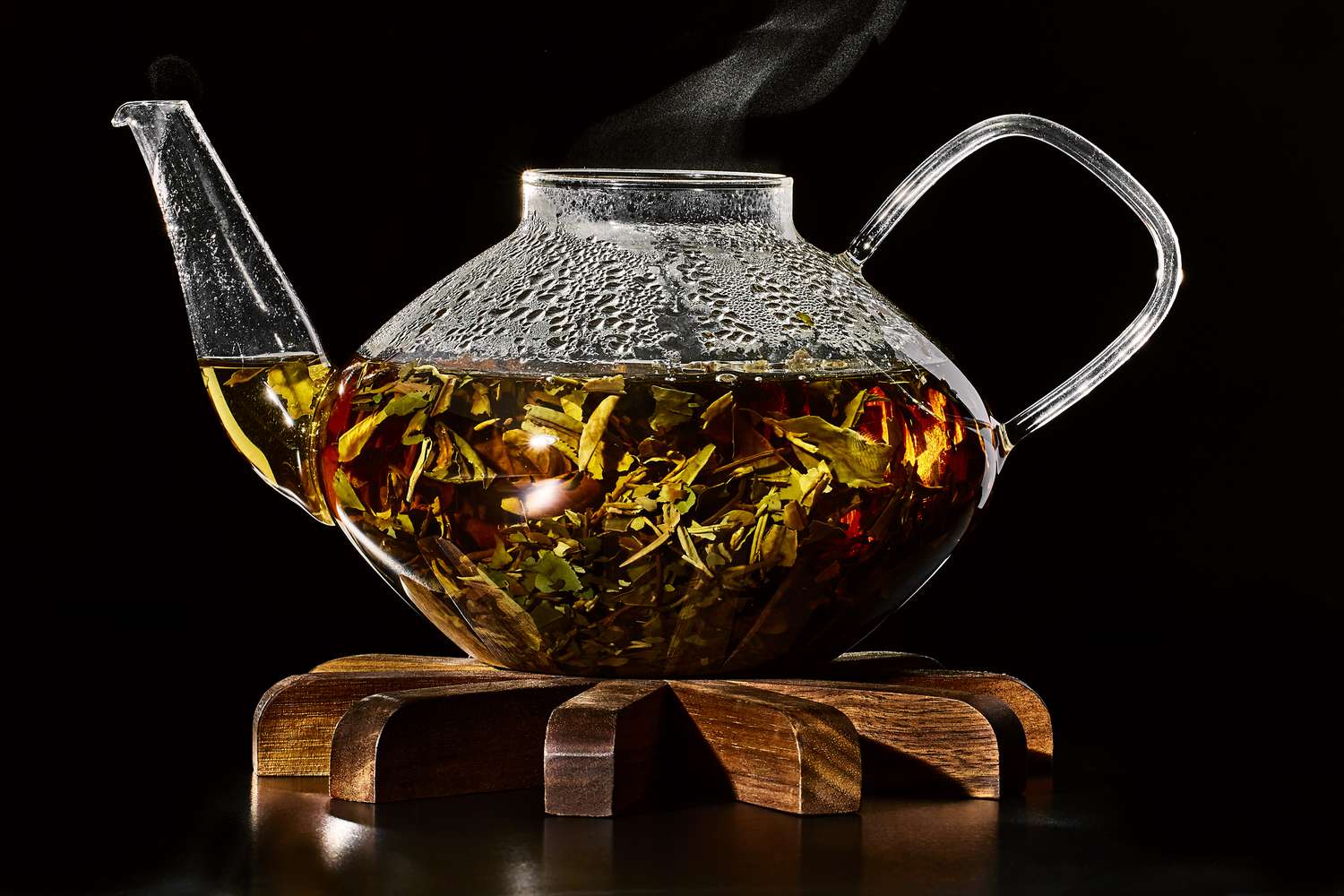
Using a teapot may seem like a simple task, but brewing tea correctly with it involves more than just pouring hot water over leaves. When done properly, a teapot enhances flavor, preserves heat, and adds a layer of mindfulness to your daily tea ritual. Whether you’re a casual tea drinker or a dedicated enthusiast, mastering how to use a teapot can dramatically improve the taste, aroma, and overall experience of your tea.
In this guide, we’ll break down how to use a teapot effectively—from choosing the right one to understanding steeping techniques—so you can brew every cup with confidence and precision.
Why Use a Teapot Instead of a Mug or Infuser?
While infusers and mugs are convenient, a teapot offers distinct advantages:
- Even Steeping: Leaves float and expand fully, allowing better extraction.
- Heat Retention: Teapots, especially ceramic or cast iron ones, retain heat longer.
- Multiple Servings: Ideal for sharing or enjoying more than one cup.
- Aesthetic and Ritual Value: Adds a sense of calm and tradition to your routine.
A teapot isn’t just functional—it transforms brewing into a sensory and often meditative experience.
Step 1: Choose the Right Teapot
Your choice of teapot affects everything from flavor to ease of cleaning. Here are the main types:
1. Ceramic Teapot
Pros: Good heat retention, doesn’t interfere with taste, ideal for most teas.
Cons: May chip over time, slightly heavier.
2. Glass Teapot
Pros: Elegant and transparent—great for watching blooming teas.
Cons: Loses heat quickly, fragile.
3. Cast Iron Teapot (Tetsubin)
Pros: Excellent heat retention, durable, ideal for black or oolong teas.
Cons: Heavy, may require maintenance to avoid rust.
4. Porcelain Teapot
Pros: Non-porous, retains heat well, perfect for lighter teas.
Cons: Slightly delicate, may not be suitable for very high temperatures.
5. Clay Teapot (Yixing)
Pros: Absorbs flavors over time, enhancing depth in repeated brews.
Cons: Should be dedicated to one type of tea only.
Tip: Use a teapot that matches your most frequently used tea. For example, green tea is best brewed in porcelain or glass; oolong or black tea pairs well with ceramic or cast iron.
Step 2: Preheat the Teapot
Always warm your teapot before brewing. Preheating helps:
- Maintain optimal water temperature during steeping.
- Prevent thermal shock, which can crack delicate materials.
- Allow leaves to open and release flavor evenly.
How to do it: Pour hot (not boiling) water into the empty teapot, swirl gently, and discard after a few seconds. Then add your tea leaves.
Step 3: Measure the Right Amount of Tea
Tea-to-water ratio is key to flavor. Here are standard measurements:
- Loose leaf tea: 1 teaspoon per 8-ounce cup
- Large-leaf teas (like oolong): 1.5 teaspoons per cup
- Compressed teas (like pu-erh): Break off 3–4 grams per cup
Use a kitchen scale for accuracy, especially when using premium teas.
Note: Overloading the teapot can lead to bitterness, while too few leaves will taste flat.
Step 4: Heat Water to the Right Temperature
Different teas require different water temperatures to avoid over- or under-extraction:
- White Tea: 70°C–80°C (158°F–176°F)
- Green Tea: 75°C–85°C (167°F–185°F)
- Oolong Tea: 85°C–95°C (185°F–203°F)
- Black Tea: 95°C–100°C (203°F–212°F)
- Herbal Tea: 100°C (212°F)
Tip: If you don’t have a temperature-controlled kettle, allow boiled water to rest for 30–60 seconds before pouring.
Step 5: Add Leaves and Pour Water Gently
Once the teapot is preheated and the correct amount of leaves is added:
- Pour hot water slowly and evenly over the leaves.
- Avoid splashing or overly aggressive pouring, which can damage delicate leaves.
- Fill to the appropriate level, leaving room at the top so you can swirl if needed.
Some teapots include built-in strainers; if not, you can pour through a mesh strainer into your cup later.
Step 6: Steep for the Right Amount of Time
Timing affects taste as much as temperature. Here’s a quick reference:
- White Tea: 2–4 minutes
- Green Tea: 1–3 minutes
- Oolong Tea: 3–5 minutes
- Black Tea: 3–5 minutes
- Herbal Tea: 5–7 minutes
Over-steeping can result in bitterness and astringency, while under-steeping leads to weak flavor.
Use a timer to avoid guesswork.
Step 7: Serve and Enjoy
After the correct steep time:
- Swirl the teapot gently to mix the infusion evenly.
- Pour tea into cups using a strainer if needed.
- Pour completely to avoid over-steeping any leftover liquid.
Teapots with a built-in filter make this process easier, but loose leaves will require a fine mesh strainer when serving.
Advanced Tips for Optimal Brewing
- Use Filtered Water: Water quality can drastically affect tea taste. Avoid chlorinated or hard water.
- Don’t Reboil Water: Reboiling can strip oxygen from water, dulling the flavor of your tea.
- Clean Teapots Regularly: Rinse your teapot with hot water after each use. Avoid soap for clay or porous pots, as it can alter the flavor of future brews.
- Experiment with Infusions: Some teas (like oolong and pu-erh) can be steeped multiple times. You may find richer flavors in the second or third brew.
- Use a Fairness Pitcher: This is a Chinese teaware piece used to collect tea after steeping. It helps ensure an even strength across all cups.
Brewing Troubleshooting Guide
| Problem | Likely Cause | Solution |
|---|---|---|
| Tea tastes bitter | Over-steeping, too hot water | Shorten brew time, lower temperature |
| Tea is weak | Too few leaves, short steep | Add more tea or increase time |
| Leaves clog spout | No filter or strainer | Use a built-in strainer or pour through mesh |
| Flavor changes over time | Residue buildup | Clean teapot more frequently |
Benefits of Brewing with a Teapot
- Enhances flavor: More room for leaves to expand means better infusion.
- Better control: Manage temperature, time, and strength more precisely.
- Mindfulness: The process itself becomes calming and meditative.
- Tradition: Connects you to centuries of tea culture and ritual.
Conclusion: Elevate Your Tea Routine
Using a teapot the right way elevates your tea from a casual drink to a rich, flavorful experience. Whether you’re steeping a floral oolong or a robust black tea, the teapot helps extract the best from your leaves. With a bit of knowledge and practice, anyone can unlock the deeper flavors and calming rituals that come from brewing tea properly.
So next time you prepare a cup, slow down, use a teapot, and let the experience guide your senses. It’s not just about taste—it’s about tradition, presence, and enjoyment.