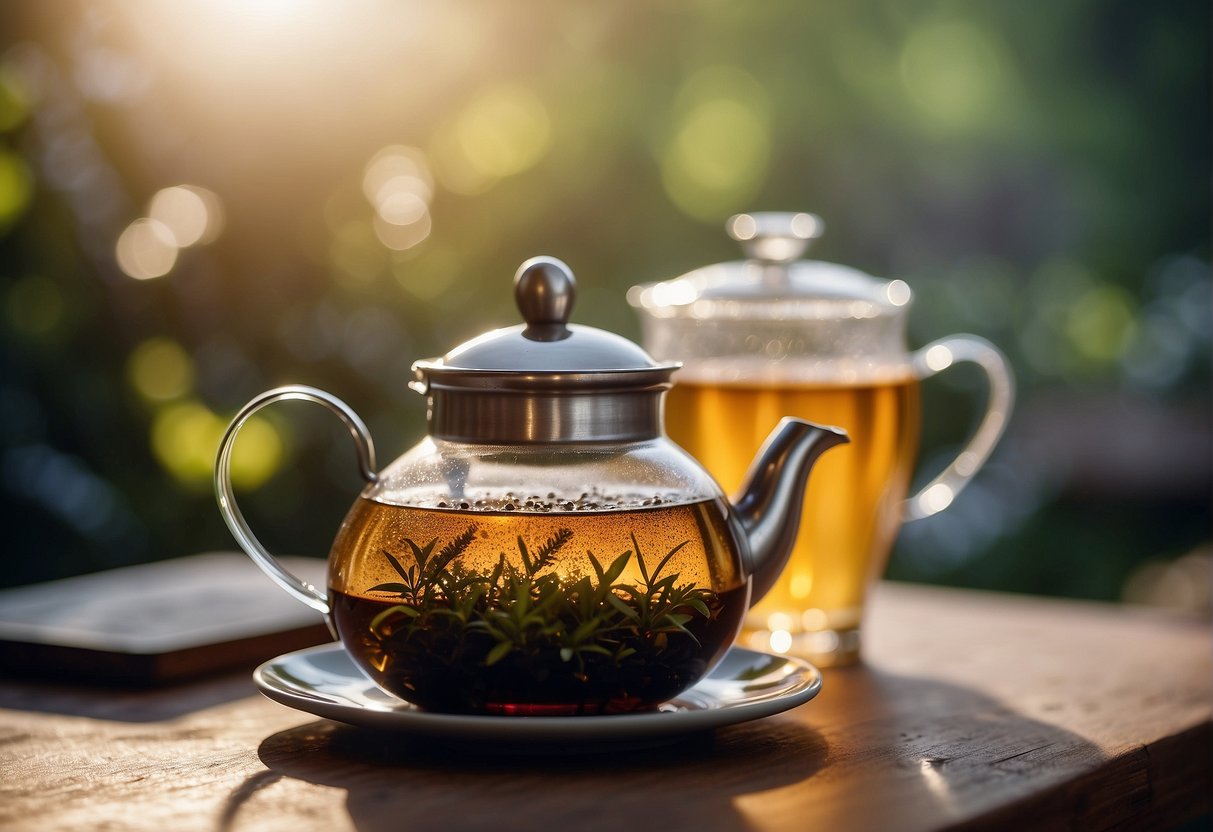
Brewing tea is an age-old ritual embraced across cultures, continents, and centuries. But in today’s fast-paced world, the true art of making a flavorful cup is often replaced by rushed, boiling water over a store-bought tea bag. While that might suffice in a pinch, anyone who’s tasted a properly brewed cup of loose-leaf tea knows it’s a game changer.
This guide—Tea Brewing 101—is your starting point to learn the essential techniques that bring out the best flavors in any tea you choose. Whether you’re exploring black tea, green tea, herbal infusions, or more exotic varieties, a little technique goes a long way.
1. Start With Quality Tea
A flavorful cup begins with the right ingredients. Just like a good meal starts with fresh produce, great tea starts with high-quality leaves. Loose-leaf tea is superior to traditional bagged tea because it contains whole or partially broken leaves that retain essential oils, aroma, and flavor.
When shopping, look for vendors who provide detailed information about the origin, harvest date, and processing method. These details often indicate care and quality.
2. Know Your Tea Type
Understanding your tea type helps determine how it should be brewed. Different teas require different temperatures, steep times, and even equipment. Here’s a breakdown of the major types:
- Black Tea: Full-bodied and oxidized. Needs boiling water (95°C–100°C) and 3–5 minutes of steeping.
- Green Tea: Light and grassy. Best brewed at 70°C–80°C for 1–3 minutes.
- White Tea: Subtle and delicate. Brew at 75°C–85°C for 4–5 minutes.
- Oolong Tea: Partially oxidized and complex. Steep at 85°C–90°C for 3–5 minutes.
- Herbal Tea (tisanes): Naturally caffeine-free. Use boiling water and steep for 5–7 minutes or longer.
Each type has its own characteristics, and brewing outside its ideal range can dull the flavor or make the tea bitter.
3. Use Clean, Fresh Water
Since tea is mostly water, it’s important to use good-quality water. Tap water with chlorine, metallic taste, or hardness can distort your tea’s flavor.
Use filtered or spring water for best results. Avoid distilled water, which lacks minerals and often makes the tea taste flat. Always start with cold water and heat it freshly—never reboil previously heated water.
4. Mind Your Water Temperature
Water temperature is crucial when it comes to extracting the right flavors from your tea leaves. Too hot, and you’ll burn delicate leaves like green or white tea. Too cool, and the flavors won’t fully release.
Here’s a simple reference:
- Green Tea: 70°C – 80°C
- White Tea: 75°C – 85°C
- Oolong Tea: 85°C – 90°C
- Black Tea: 95°C – 100°C
- Herbal Tea: 100°C
If you don’t have a variable temperature kettle, let boiling water sit for 1–3 minutes before pouring it over green or white tea to naturally cool it down.
5. Measure Your Tea Leaves
More leaves don’t always mean stronger or better tea. The general recommendation is:
- 1 teaspoon of loose tea per 8-oz cup of water
Adjust depending on your taste or the density of the tea. For tightly rolled teas like oolong, you may need more to account for expansion.
For precision, consider weighing your tea. Around 2 grams per cup is ideal for most types.
6. Steep With Care
Steeping time affects both strength and bitterness. Under-steeping can make tea weak, while over-steeping extracts tannins that taste harsh or astringent.
Use a timer and follow these general rules:
- Green Tea: 1–3 minutes
- Black Tea: 3–5 minutes
- Oolong Tea: 3–5 minutes
- White Tea: 4–5 minutes
- Herbal Tea: 5–7 minutes
Remove the leaves or bag after steeping to prevent bitterness. Leaving the leaves in the pot too long is one of the most common mistakes beginners make.
7. Choose the Right Equipment
The brewing vessel also influences flavor. Tea needs space to expand and release flavor. A cramped tea ball won’t do your loose leaves justice.
Consider:
- Teapots (ceramic or glass): Ideal for larger servings.
- Tea baskets or infusers: Best for individual cups.
- Gaiwan or Yixing pot: Traditional tools for oolong or pu-erh.
- French press (clean): An alternative infuser if you’re starting out.
Avoid plastic strainers or low-quality metal strainers, as they can affect flavor and aren’t always durable.
8. Preheat Your Teapot or Cup
Before brewing, rinse your cup or teapot with hot water. This step warms the vessel, which helps maintain a consistent steeping temperature. It’s a small but meaningful detail that can subtly enhance the experience, especially for delicate teas.
9. Taste Before You Add Anything
Before you add milk, sugar, honey, or lemon, take a sip of the plain tea. This helps you understand the tea’s flavor profile. Many high-quality teas are naturally sweet, floral, or nutty and don’t require any enhancement.
If you prefer your tea with milk or sweeteners, that’s perfectly fine—but tasting it first helps you learn and appreciate it more fully.
10. Experiment With Multiple Steeps
High-quality teas like oolong and pu-erh are designed to be steeped multiple times. Each step unlocks new layers of aroma and complexity.
- First steep: Aromatic and bright
- Second steep: Fuller and more rounded
- Third steep and beyond: Mellow and evolving
Add 30–60 seconds for each additional steeping, and enjoy how the flavor changes from cup to cup.
11. Try Cold Brewing
Cold brewing is a simple method that produces a smooth, less bitter flavor, especially suitable for green or fruity teas.
How to do it:
- Add 1.5 teaspoons of tea per cup of cold water.
- Let it steep in the refrigerator for 6–12 hours.
- Strain and serve.
This technique is especially popular in warmer seasons and offers a refreshing, caffeine-friendly alternative to sugary drinks.
12. Store Your Tea Properly
To keep your tea flavorful for months, store it correctly:
- Use airtight containers
- Keep away from light, heat, and moisture
- Avoid strong odors (tea absorbs smells easily)
- Don’t store your tea in the fridge unless it’s vacuum-sealed matcha. Most teas stay fresh for 6–12 months if stored well.
13. Keep a Tea Journal
As you explore different teas and techniques, keep notes of:
- Leaf type and source
- Water temperature
- Steep time and number of steeps
- Tasting notes
Over time, you’ll discover what you enjoy most and how small changes affect the final cup.
Final Thoughts
Mastering tea brewing doesn’t require fancy equipment or deep tradition—it simply requires mindfulness. Pay attention to your tea type, water temperature, steeping time, and taste. With each cup, you’ll get a better feel for what works and how to refine your approach.
Tea brewing is part science, part intuition, and part relaxation. Once you learn the basics, every cup becomes more than just a drink—it becomes a moment worth savoring.