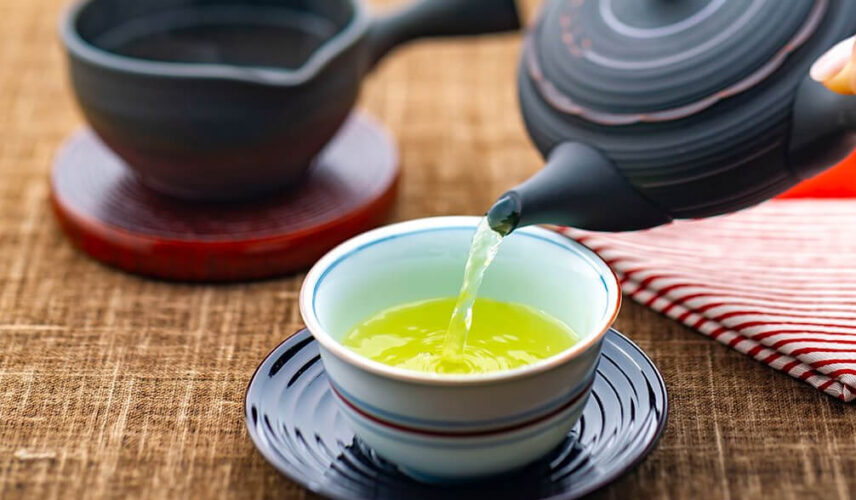
Tea is more than a beverage—it’s a cultural identity, a social ritual, and, in many places, an art form. Across the world, people brew and serve tea in unique ways, with deep respect for tradition and ceremony. Two countries that have significantly influenced global tea culture are China and Japan. While both cultures revere tea, their brewing techniques, philosophies, and rituals are strikingly different.
In this post, we explore how China and Japan approach tea brewing, highlighting the rich traditions, equipment, and sensory experiences that make each style unique. Understanding these brewing techniques not only deepens your appreciation for tea but also allows you to experiment with your own method at home.
China: The Birthplace of Tea Culture
A Rich History
Tea originated in China thousands of years ago, and its influence is felt globally. Chinese tea culture is incredibly diverse, with numerous regional variations and dozens of tea types, including green, white, oolong, black, yellow, and pu-erh.
The Chinese treat tea brewing as both a daily habit and a form of meditation. The process emphasizes balance, mindfulness, and sensory experience.
The Gongfu Tea Ceremony
The traditional Chinese tea ceremony is known as Gongfu Cha, which translates to “making tea with skill.” This method involves a series of precise steps and is designed to extract the best flavor from high-quality loose leaf tea.
Core Elements of Gongfu Tea Brewing:
- Teaware: Typically includes a small teapot or gaiwan, a fairness pitcher (cha hai), aroma cups, and tasting cups. Everything is small to allow for multiple short infusions.
- Water Temperature: Carefully adjusted based on the type of tea—usually between 80°C to 100°C.
- Short Steeping Time: Each infusion may last just 10 to 30 seconds, with the same leaves reused multiple times.
- Multiple Infusions: High-quality Chinese teas are brewed multiple times, with each steep revealing new flavor layers.
- Precision and Flow: Movements are deliberate, and every step—pouring, serving, smelling—is part of a calming ritual.
Popular Chinese Teas and Brewing Notes
- Longjing (Dragon Well): A famous green tea brewed at around 75°C for 1–2 minutes.
- Tie Guan Yin: A semi-oxidized oolong with floral notes; steeped using Gongfu method.
- Pu-erh: A fermented tea requiring boiling water and multiple rinses before drinking.
In China, tea brewing is about honoring the leaves and cultivating a mindful presence.
Japan: Simplicity, Purity, and Zen in a Cup
The Japanese Philosophy of Tea
In Japan, tea is more than a drink—it’s a way to express respect, discipline, and aesthetics. The Japanese tea ceremony, called chanoyu or sado, is a highly choreographed ritual influenced by Zen Buddhism. Simplicity and precision define every movement.
While modern Japanese people drink tea casually every day, the ceremonial aspects still shape the way tea is brewed and appreciated.
Matcha: Japan’s Most Iconic Brew
Matcha is powdered green tea made from shade-grown leaves. Unlike Chinese teas, matcha is not steeped but whisked directly into hot water, making it a completely different experience.
Steps to Brew Matcha:
- Sift the Matcha: Prevent clumping and ensure a smooth texture.
- Heat Water: Use water around 70°C to 80°C.
- Whisking: Use a bamboo whisk (chasen) in a “W” motion until frothy.
- Serve Immediately: Matcha loses its vibrancy quickly and is best enjoyed fresh.
Matcha is known for its umami flavor and creamy texture, unlike steeped teas. It’s also rich in antioxidants and the amino acid L-theanine.
Sencha: Everyday Japanese Green Tea
Sencha is Japan’s most popular green tea and is typically enjoyed casually. It differs from Chinese green teas in flavor and processing—Japanese teas are steamed rather than pan-fired, leading to a more vegetal and grassy flavor.
How to Brew Sencha:
- Water Temperature: 70°C to 80°C
- Steeping Time: 1 to 1.5 minutes
- Tea-to-Water Ratio: 1 teaspoon per 5 ounces (about 150ml)
Unlike Gongfu-style brewing, Sencha is usually brewed once, sometimes twice, and served in small cups. The clarity and brightness of the flavor are prioritized.
Other Popular Japanese Teas
- Genmaicha: A mix of green tea and roasted rice, offering a nutty, warm flavor.
- Hojicha: A roasted green tea with lower caffeine and a comforting toasty aroma.
- Gyokuro: A luxurious, shade-grown tea that is sweet, rich, and brewed at very low temperatures (50°C to 60°C) for up to 2 minutes.
Key Differences Between Chinese and Japanese Tea Brewing
| Feature | Chinese Tea Brewing | Japanese Tea Brewing |
|---|---|---|
| Tea Types | Broad variety (green, black, oolong, etc.) | Mainly green teas (Matcha, Sencha, Hojicha) |
| Processing | Pan-fired, fermented, sun-dried | Steamed, shade-grown |
| Ceremony | Gongfu Cha – skilled, multi-steep brewing | Chanoyu – Zen-inspired tea ritual |
| Tools | Gaiwan, teapot, fairness pitcher, cups | Bamboo whisk, matcha bowl, bamboo scoop |
| Focus | Multiple infusions, layered flavor experience | Simplicity, purity, and mindfulness |
While Chinese tea brewing emphasizes complex flavor extraction over time, Japanese brewing often focuses on purity, presentation, and immediacy.
Bringing Global Styles Into Your Routine
You don’t have to be a tea master to appreciate or practice these global styles. Incorporating just a few elements—like using a gaiwan for oolong or whisking matcha with a chasen—can deepen your connection to tea and elevate your daily experience.
Tips to Get Started:
- Invest in basic tools like a gaiwan, chasen, or thermometer.
- Learn about your tea—different leaves need different treatment.
- Start simple. Respect the tea and be present.
- Try brewing the same tea in both styles and compare the results.
Even a few mindful minutes of tea brewing can shift your day’s rhythm.
Conclusion: Tea as a Cultural Bridge
Exploring the brewing styles of China and Japan opens the door to a deeper understanding of tea as more than a drink. It becomes a bridge between cultures, a practice of mindfulness, and a sensory experience that connects you to history and tradition.
Whether you’re drawn to the layered, repeated infusions of Chinese oolong or the focused, frothy experience of Japanese matcha, one thing is clear: there’s no single “correct” way to enjoy tea. But learning from these centuries-old traditions can help you brew with more awareness, appreciation, and joy.