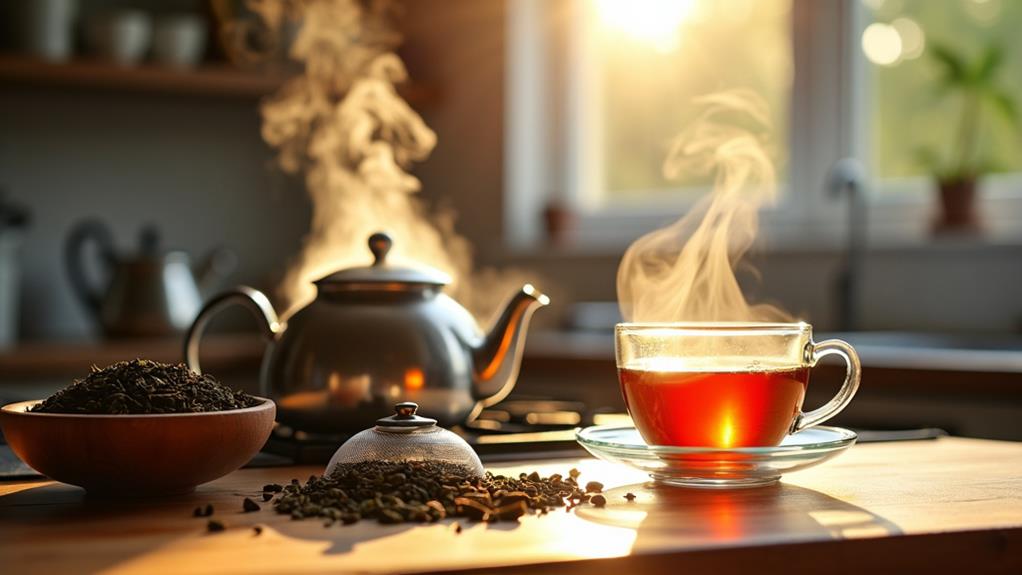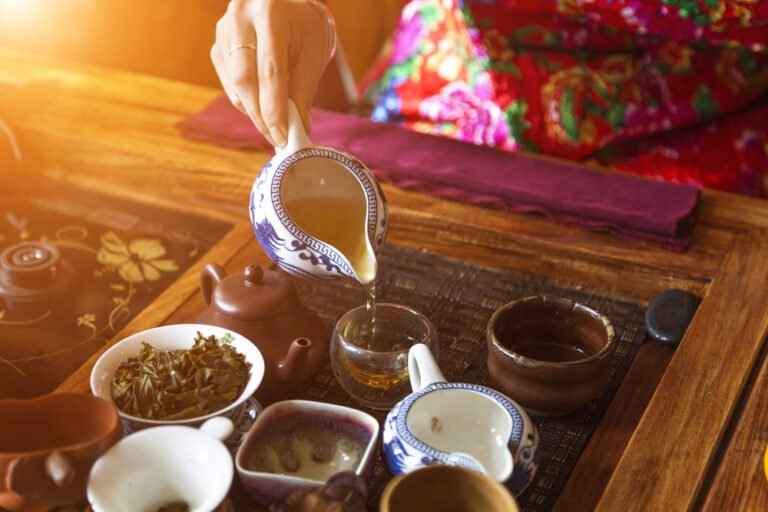
Tea isn’t just a drink in China—it’s a cultural ritual that symbolizes mindfulness, hospitality, and a deep appreciation for life’s simple pleasures. At the heart of this tradition lies Gongfu tea brewing, a time-honored method that emphasizes precision, patience, and sensory immersion. While it might seem intimidating at first glance, Gongfu Cha—meaning “tea made with skill”—is a rewarding way to experience tea at its fullest.
Whether you’re a seasoned tea lover or a curious beginner, mastering this brewing style will elevate your relationship with tea and give you a window into centuries of refined Chinese craftsmanship.
What Is Gongfu Tea Brewing?
Gongfu tea brewing is a traditional Chinese method designed to extract the most nuanced flavors from high-quality loose leaf teas, particularly oolong, pu-erh, and fine black teas. Unlike casual Western-style brewing, which uses large teapots and longer steep times, Gongfu focuses on using a high leaf-to-water ratio and brewing tea in short, multiple infusions.
The word “Gongfu” (also spelled “Kung Fu”) translates to “skill” or “effort,” emphasizing the artistry behind the process. The goal is not just to make tea but to connect deeply with it—through taste, aroma, and ritual.
Why Brew Gongfu Style?
Gongfu brewing transforms a simple tea session into a meditative experience. Here’s why tea connoisseurs around the world embrace this method:
- Multiple Infusions: High-quality tea leaves release different flavor notes over several short steeps.
- Full Flavor Control: Adjusting steep time and water temperature gives you precise control over taste.
- Enhanced Aroma: Short infusions preserve delicate floral and fruity aromas.
- Cultural Connection: The ritualistic steps and tools used honor centuries of Chinese heritage.
It’s more than making tea—it’s a way to slow down and savor the moment.
Essential Gongfu Tea Tools
To brew Gongfu-style tea, you’ll need some specific teaware. These tools are simple but serve important functions in the brewing ritual:
- Gaiwan or Small Teapot
A gaiwan is a lidded bowl used for steeping and drinking tea. Alternatively, a Yixing clay teapot can be used, especially for oolong and pu-erh teas. - Fairness Pitcher (Cha Hai)
Also known as a “gong dao bei,” this vessel ensures even strength by collecting tea from the gaiwan before serving. - Tasting Cups
Small porcelain cups that let you enjoy the tea in small, thoughtful sips. - Tea Tray
Holds your teaware and captures spilled water during rinses and pours. - Tea Tools (Optional)
Includes tweezers, scoops, and a strainer for a more refined and clean experience. - Kettle with Temperature Control
To get the best results, your kettle should allow you to heat water to specific temperatures depending on the tea type.
Preparing for Gongfu Brewing
Before you begin, prepare the space and materials to ensure focus and flow:
- Choose a quiet, clean area.
- Warm all teaware with hot water.
- Use filtered or spring water (never distilled).
- Select high-quality loose-leaf tea with visible whole leaves and a strong aroma.
Step-by-Step Guide to Gongfu Tea Brewing
Step 1: Measure the Tea Leaves
Use a generous amount of tea—typically 5–7 grams for a 100–150 ml gaiwan. Gongfu brewing uses more leaves than Western methods, allowing for shorter steeps and richer flavor.
Step 2: Heat the Water
Use the right temperature based on your tea type:
- Green Tea: 75–80°C (167–176°F)
- Oolong Tea: 85–95°C (185–203°F)
- Pu-erh or Black Tea: 95–100°C (203–212°F)
Step 3: Rinse the Leaves
Pour hot water over the leaves and discard after 5–10 seconds. This step “awakens” the tea by removing dust and starting the infusion process.
Step 4: First Steep (5–15 Seconds)
Add hot water again, cover the gaiwan, and steep for just a few seconds, depending on the tea type and your taste. Pour immediately into the fairness pitcher, then into tasting cups.
Step 5: Re-Steep Multiple Times
Repeat the steeping process 6 to 8 times or more, adding a few seconds to each subsequent infusion. Watch how the flavor evolves with each brew—it’s one of the most enjoyable aspects of Gongfu brewing.
Step 6: Taste and Reflect
Take small sips, inhale the aroma, and notice how the tea changes across infusions. This mindful approach turns each cup into an act of presence.
Flavor Profile by Tea Type
| Tea Type | Ideal Water Temp | Steep Duration (1st) | Notes |
|---|---|---|---|
| Oolong | 85–95°C | 10–15 sec | Floral, buttery, creamy |
| Pu-erh | 95–100°C | 10–20 sec | Earthy, rich, smooth |
| Black (Red) | 90–100°C | 5–10 sec | Bold, malty, sweet |
| Green | 75–85°C | 5–10 sec | Vegetal, sweet, grassy |
Note: The first few steps are usually shorter; later steps can go up to 30 seconds or more.
Common Mistakes to Avoid
Even seasoned brewers can slip up. Avoid these common missteps to keep your Gongfu sessions smooth:
- Oversteeping: Keep infusions short to avoid bitterness.
- Using low-quality tea: Gongfu works best with whole-leaf, premium teas.
- Wrong temperature: Too hot can burn leaves; too cool can mute flavor.
- Rushing the process: Gongfu is about patience and mindfulness.
Tips for Beginners
- Start with Oolong: Forgiving and flavorful, oolong is ideal for learning Gongfu.
- Use a Timer: A small timer or your phone helps maintain precision.
- Take Notes: Record steep times and flavor notes to refine your process.
- Practice Often: The more you brew, the more instinctive it becomes.
Benefits Beyond Taste
Gongfu brewing isn’t just about getting better tea—it can impact your overall well-being:
- Stress Reduction: The slow, ritualistic steps encourage relaxation.
- Mindfulness: Brewing becomes a form of meditation.
- Deeper Connection: You learn to appreciate tea as a living, evolving substance.
In our fast-paced world, Gongfu tea is a rare invitation to slow down and savor simplicity.
Modern Gongfu: Can It Be Done Without Fancy Gear?
Absolutely. While traditional tools enhance the experience, you can still enjoy Gongfu-style brewing with:
- A small teapot or even a heatproof cup with a lid
- A fine mesh strainer
- Measuring spoon or scale
- Timer and thermometer (optional)
The goal is intentional brewing, not perfection. Start with what you have and upgrade over time if it brings you joy.
Conclusion: Mastering the Art of Gongfu Tea
Gongfu tea brewing is more than a method—it’s a philosophy. Rooted in centuries of Chinese tradition, it turns a simple act into an art form. With just a few tools, some quality tea, and a bit of practice, you can master this beautiful technique and make tea a meaningful part of your life.
Whether you’re chasing the perfect brew or seeking a mindful moment in your day, Gongfu brewing is a rich and rewarding path worth exploring.