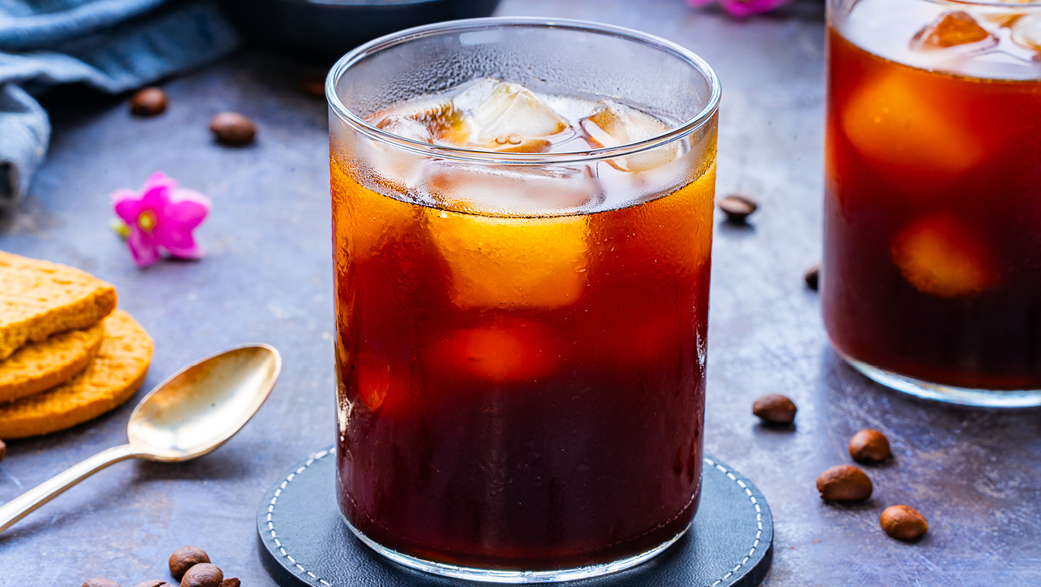
When summer hits with its intense heat, we naturally reach for cool, refreshing beverages. While iced coffee and sugary sodas dominate the scene, there’s one drink that stands out for its health benefits, natural taste, and revitalizing feel—cold brew tea. Whether you’re new to tea or a seasoned enthusiast, cold brewing offers a gentle and aromatic way to enjoy your favorite leaves.
Unlike traditional hot tea that is brewed quickly with boiling water, cold brew tea is steeped slowly in cold or room temperature water. This process extracts different flavor profiles—usually more delicate, naturally sweet, and less bitter. Let’s explore the techniques behind this chilled infusion and how you can perfect it at home.
What is Cold Brew Tea?
Cold brew tea is made by soaking tea leaves in cold water for several hours, allowing the flavors to gently infuse over time. This method preserves delicate notes while reducing bitterness and astringency that sometimes appear in hot brews. Cold brewing is especially ideal for green teas, white teas, oolongs, and even certain herbal blends.
Because there’s no need for boiling water or complex tools, cold brew tea is not only easy to make, but it’s also versatile and forgiving, perfect for those hot summer days when you need a crisp, hydrating drink.
Why Cold Brew Instead of Hot Brewed Iced Tea?
You might wonder, why not just brew hot tea and pour it over ice? While that method is faster, it often results in bitterness, especially with green or black teas. Here’s how cold brewing stands out:
- Reduced Bitterness and Astringency
Hot water extracts tannins quickly, which can make the tea taste overly bitter. Cold brewing slows down the extraction, leading to a naturally smoother flavor. - Better Retention of Antioxidants
Some studies suggest cold brewed tea retains more catechins—key antioxidants—than hot brewed tea, especially when stored correctly. - Less Caffeine
Cold brewed tea often contains less caffeine because it extracts caffeine more slowly than heat-based methods, making it a gentle option for sensitive drinkers. - No Special Equipment Needed
You don’t need kettles or fancy timers—just a container, filtered water, and your favorite tea leaves.
Step-by-Step Guide: How to Cold Brew Tea
Step 1: Choose the Right Tea
- Green Tea – Subtle, grassy, and slightly sweet
- White Tea – Delicate, floral, and light
- Oolong Tea – Smooth and aromatic with complex flavors
- Black Tea – Bold, malty, and good for stronger infusions
- Herbal Tea – Naturally caffeine-free and flavorful (try mint, chamomile, or hibiscus)
Tip: Avoid teas with added artificial flavors as they can become overpowering or off-tasting when brewed cold.
Step 2: Pick the Right Ratio
- 1 tablespoon of loose leaf tea per 1 liter of water, or
- 1 tea bag per 8 oz (1 cup) of water
You can adjust depending on how strong or light you prefer your tea.
Step 3: Use Good-Quality Water
Since cold brew tea is steeped over a long time, the water you use plays a big role in taste. Filtered or spring water works best.
Step 4: Let it Steep
- Green & White Tea: 6–8 hours
- Black & Oolong Tea: 8–12 hours
- Herbal Tea: 12–14 hours
Cover the container to prevent absorption of fridge odors. Don’t over-steep, as the tea may develop a stale taste.
Step 5: Strain and Serve
Once steeped, strain the tea leaves or remove the tea bags. Store the tea in a sealed bottle or jug for up to 3 days in the refrigerator. Serve over ice, plain or with fruit slices, mint, or lemon.
Flavor-Boosting Cold Brew Variations
- Green Tea + Cucumber + Lemon – Crisp and hydrating
- Black Tea + Orange Slices + Mint – Bold and citrusy
- White Tea + Peaches + Basil – Sweet and aromatic
- Hibiscus + Strawberries + Lime – Tart and refreshing
You can even add a splash of sparkling water for a fizzy twist or mix with fruit juice for a caffeine-free iced tea mocktail.
Cold Brew Tea Tips for Best Results
- Use Loose Leaf Tea If Possible
Loose leaf tea tends to be fresher and of higher quality than bagged tea. It also allows the leaves to fully expand during the long steeping process. - Don’t Rush the Steep
Cold brewing is all about patience. If you try to speed things up by using warm water, you risk extracting bitterness and ruining the smooth profile. - Keep it Clean
Always use clean containers and utensils. Cold brewing takes time, and any bacteria introduced during the process could spoil the tea. - Make a Tea Concentrate
Double the tea amount and steep as usual, then dilute with water or ice when serving. This is a convenient way to store strong tea and adjust flavor as needed.
Benefits of Cold Brew Tea for Summer Health
- Hydration: A great alternative to sugary drinks and sodas.
- Antioxidants: Protects against oxidative stress and boosts your immune system.
- Caffeine Control: Naturally lower in caffeine compared to hot brewed tea.
- No Sweeteners Needed: The smoother taste often requires no added sugar.
Plus, it’s kid-friendly and perfect for all-day sipping under the sun.
Common Questions About Cold Brew Tea
Can I Reuse Tea Leaves for a Second Brew?
Yes, especially for high-quality loose leaves like oolong or green. The second brew will be lighter but still enjoyable.
Can I Cold Brew in a French Press?
Absolutely. The built-in strainer makes it easy to separate leaves after steeping.
Is Cold Brew Tea Safe to Drink Without Boiling?
Yes, as long as you use clean containers and refrigerate immediately. Cold brewing doesn’t kill bacteria, so hygiene is crucial.
Can I Use Cold Brew Tea for Cocktails or Mixers?
Definitely. Cold brew tea pairs wonderfully with gin, vodka, or fruit-based cocktails. Just keep the tea concentrate strong to avoid dilution.
Final Thoughts
Cold brew tea is the perfect blend of ease, flavor, and health—an ideal match for hot summer days. Whether you’re lounging by the pool, heading to work, or simply trying to stay hydrated without compromising taste, cold brew tea has you covered. With just a few ingredients and some patience, you can turn your favorite tea leaves into a refreshing masterpiece.