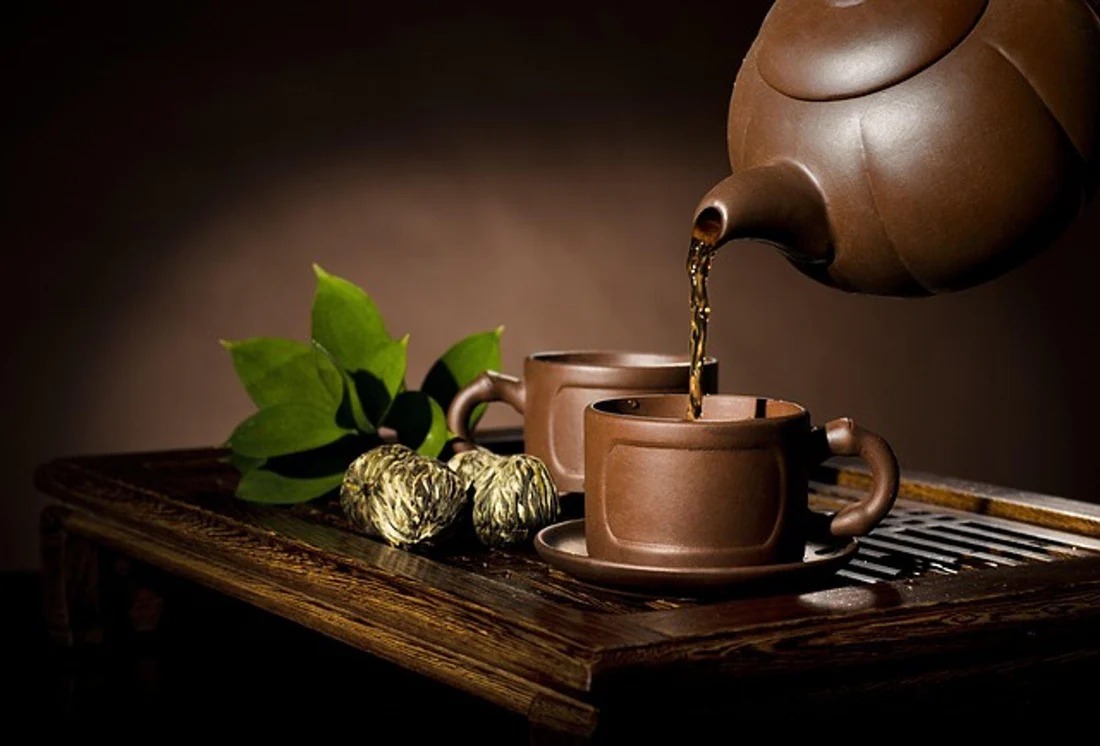
There’s something timeless about a well-brewed cup of tea. Whether it’s the calming aroma, the comforting warmth, or the ritual itself, tea is more than just a drink—it’s a moment of stillness. But brewing the perfect cup every time isn’t a matter of luck. It’s a skill, one that balances science, technique, and personal taste.
This guide will show you how to consistently make tea that’s rich, flavorful, and perfectly suited to your palate—every time.
1. Start with Quality Tea
No brewing technique can rescue poor-quality tea. Invest in high-grade loose-leaf tea from reputable sources. Loose leaf retains the integrity of the tea leaves, preserving essential oils and flavor nuances that bagged teas often lose in processing.
If you prefer convenience, look for pyramid tea bags made with whole leaves instead of the dusty remains often found in cheaper sachets.
2. Know Your Tea Type
Each variety of tea demands its own water temperature and steeping time. Here’s a simple breakdown:
- Black tea: Use boiling water (95°C–100°C) and steep for 3–5 minutes.
- Green tea: Use 70°C–80°C water and steep for 1–3 minutes to avoid bitterness.
- White tea: Needs 75°C–85°C water, steeped gently for 4–5 minutes.
- Oolong tea: Best with 85°C–90°C water and 3–5 minutes of steeping.
- Herbal tea: Steep in boiling water for 5–7 minutes, longer for a stronger flavor.
Using incorrect temperature or timing can ruin even the best leaves, causing bitterness or weak flavor.
3. Use Fresh, Filtered Water
Since tea is over 95% water, the water quality directly affects the taste. Tap water with chlorine, iron, or other minerals can overpower or distort the flavor of your brew.
Filtered or spring water is ideal. Avoid distilled water, as the lack of minerals often leads to a flat taste. Always start with cold, fresh water—never reboil old water, as it may taste stale and oxygen-depleted.
4. Heat Water to the Right Temperature
Tea brewing is not one-size-fits-all when it comes to heat. Here’s how to gauge water temperature if you don’t have a thermometer or temperature-controlled kettle:
- Boiling (100°C): Rapid, rolling bubbles
- 90°C: Steady bubbling, rising steam
- 80°C: Small bubbles and light steam
- 70°C: Steam only, no bubbles
Overheating delicate teas like green or white can burn the leaves and release astringency. Use precise heat for the best flavor release.
5. Measure Your Tea Properly
Getting the proportions right is key. A general rule is:
- 1 teaspoon of loose leaf tea per 8-oz (240-ml) cup of water
For denser teas like rolled oolong, use a heaping teaspoon. If you prefer stronger tea, add more leaves, not time. Over-steeping won’t intensify flavor; it only increases bitterness.
Weighing your tea with a digital scale (around 2 grams per cup) offers even more consistency for those aiming to perfect their brew.
6. Preheat Your Teacup or Teapot
Preheating ensures your water maintains its temperature when it contacts the brewing vessel. Pour hot water into your cup or teapot, let it sit for 30 seconds, then discard. This small step helps preserve optimal steeping conditions and enhances the overall taste.
7. Steep the Tea for the Right Duration
Timing your steep is essential. Each type of tea has an ideal range, and even a 30-second difference can alter the flavor dramatically.
- Black tea: 3–5 minutes
- Green tea: 1–3 minutes
- Oolong tea: 3–5 minutes
- White tea: 4–5 minutes
- Herbal tea: 5–7 minutes or longer
Use a timer for precision. After steeping, remove the leaves promptly to prevent bitterness from over-extraction.
8. Use the Right Brewing Tools
The tools you use affect both convenience and quality. Consider the following:
- Teapots: Great for multiple servings. Glass, ceramic, or clay pots retain heat well and look beautiful.
- Infusers or tea baskets: Ideal for single cups. Ensure the infuser gives the leaves space to expand.
- Gaiwan or Yixing pots: Traditional vessels used for more complex methods like Gong Fu Cha.
Avoid plastic or poorly made metal infusers that might impact taste or trap fine particles.
9. Taste Before Adding Anything
Milk, sugar, honey, or lemon can all enhance your tea—but try it plain first. This allows you to appreciate the natural notes before altering them.
Some teas, especially delicate green or floral blends, are best enjoyed without additives. Others, like black Assam or masala chai, may benefit from milk or sweeteners.
Use additions to complement the tea, not to mask poor brewing.
10. Explore Multiple Infusions
Many teas—particularly oolong, pu-erh, and some green teas—are designed to be steeped more than once. Each infusion draws out new layers of flavor.
- First steep: Light and aromatic
- Second steep: Richer, more complex
- Third steep: Softer, subtler tones
Increase the steeping time slightly with each infusion. This is an excellent way to get more out of high-quality leaves and expand your appreciation.
11. Keep Your Tea Leaves Fresh
Tea leaves degrade over time, especially when exposed to air, light, or moisture. Store your tea in:
- Airtight containers
- Cool, dark cabinets
- Away from spices and strong odors
Glass jars look nice but allow light in—use opaque tins or keep them in drawers. Never refrigerate tea unless it’s matcha or vacuum-sealed, as condensation can spoil the leaves.
12. Cold Brewing for a Refreshing Twist
Cold brewing tea is simple, low-effort, and perfect for hot days. It brings out sweetness without bitterness.
Steps to cold brew:
- Add 1.5 teaspoons of loose tea per cup of cold filtered water.
- Let steep in the fridge for 6–12 hours.
- Strain and serve chilled.
Cold brew works best with green tea, white tea, oolong, or fruity herbal blends.
13. Keep a Brewing Journal
If you’re serious about brewing perfection, keep a journal to note what worked and what didn’t:
- Type of tea
- Leaf-to-water ratio
- Water temperature
- Steep time
- Personal notes on flavor
Over time, you’ll learn which brands, temps, and techniques suit your taste best.
14. Make It a Ritual
The true art of brewing tea lies not only in the technique but in the mindset. Making tea can be a grounding ritual. Slow down. Be present. Let the aroma fill your space. Listen to the water boil, watch the leaves unfurl, and savor the moment.
This ritual doesn’t just produce great tea—it adds clarity and intention to your day.
Final Thoughts
Brewing the perfect cup of tea every time is about attention, not complexity. With a few essential principles—clean water, proper heat, correct timing, and quality leaves—you can elevate your tea experience from ordinary to exceptional.
Like any skill, tea brewing improves the more you practice. So take your time, experiment, and enjoy the learning journey. With each cup, you’ll get a little closer to mastery.