Tea has long been a symbol of comfort, reflection, and ritual across cultures. Whether you’re sipping green tea in Japan, black tea in England, or chai in India, the brewing process is what defines your experience. A perfect cup of tea doesn’t just happen. It’s the result of understanding temperature, timing, water quality, and leaf variety.
This guide will walk you through everything you need to master the art of tea brewing, so every cup feels like a peaceful, flavorful reward.
1. Understand Your Tea Type
Before you even heat the water, know your tea. Every tea type comes with its own brewing needs.
- Green tea: Needs lower water temperatures (70°C to 80°C) and shorter steep times (1–3 minutes).
- Black tea: Steep in boiling water (95°C to 100°C) for 3–5 minutes.
- White tea: Use cooler water (75°C to 85°C) and steep for 4–5 minutes.
- Oolong: Best brewed at 85°C to 90°C, steeped for 3–5 minutes.
- Herbal tea: Boiling water works well. Steep for 5–7 minutes, sometimes longer for medicinal blends.
Brewing each tea at the wrong temperature can dull the flavors or even make them bitter. Follow this chart as your starting point, then adjust to taste.
2. Use Fresh, Clean Water
Water quality is crucial. After all, tea is mostly water. If your tap water has a strong chlorine taste or odd odor, it will affect your brew. Use filtered or spring water for best results.
Avoid distilled water—it lacks the minerals needed to bring out the depth of tea flavor. Let cold water run for a few seconds before filling your kettle to get the freshest possible source.
3. Heat Your Water Properly
Water temperature is not just a technical detail—it’s the heart of a good brew. If you’re using an electric kettle with temperature control, great. If not, you can still judge temperature with a little practice:
- Boiling (100°C): Big rolling bubbles.
- 90°C: Steady stream of bubbles.
- 80°C: Small bubbles beginning to form.
- 70°C: Barely any bubbles, just steam rising.
Avoid microwaving water. It heats unevenly and can lead to inconsistent results.
4. Measure Your Tea Leaves
More is not always better. Use the right leaf-to-water ratio. A good rule of thumb:
- Loose leaf: 1 teaspoon per 8-ounce cup.
- Dense teas (like rolled oolongs): Use slightly more, about 1.5 teaspoons.
Using too many leaves can make the tea too bitter. Too few, and it’s watery. Adjust the amount depending on how strong you like your brew.
5. Choose the Right Teaware
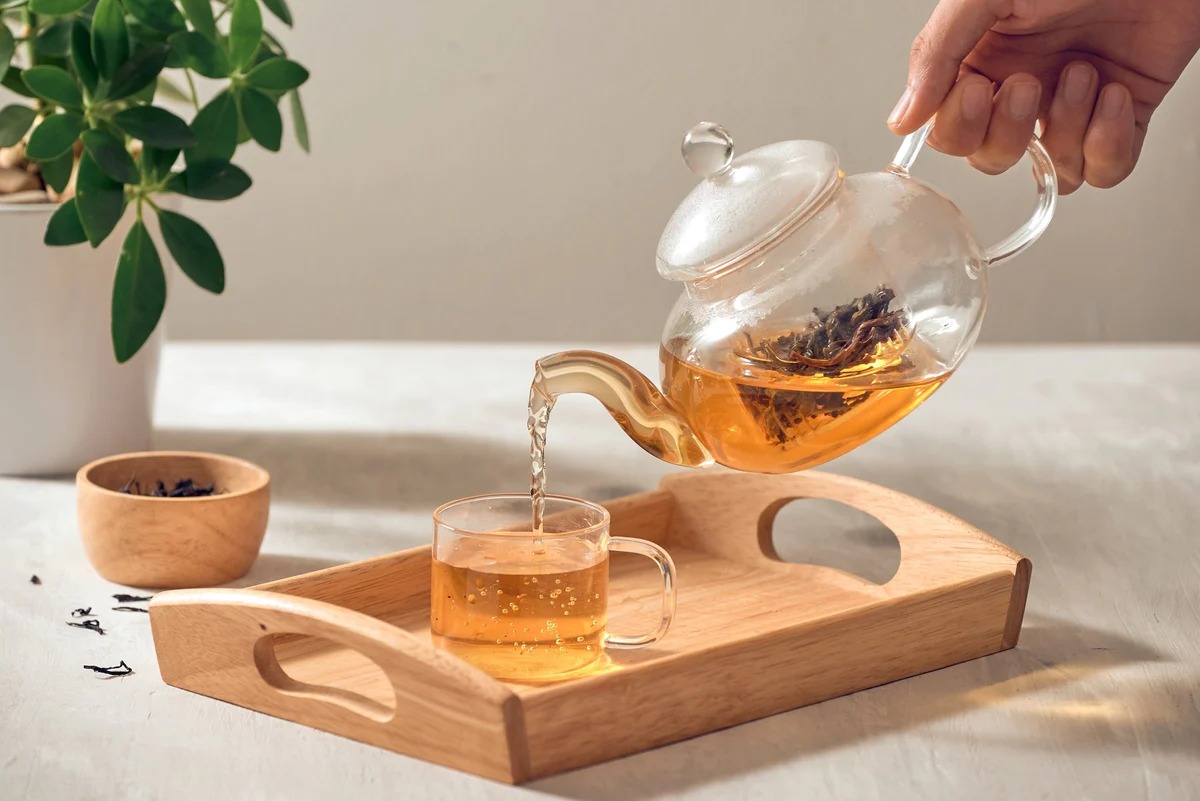
Your brewing vessel influences the final taste. Porcelain or glass teapots are great for showcasing delicate teas like white or green tea. Clay pots (like Yixing) are better for oolongs or pu-erh teas, as they absorb the flavor over time.
If you’re brewing a single cup, a stainless steel infuser or tea basket will do. Avoid plastic infusers—they can affect the taste and are harder to clean thoroughly.
6. Preheat Your Teapot or Cup
Ever pour boiling tea into a cold mug and wonder why it cooled down so fast? That’s because the ceramic absorbed some of the heat. Preheating your cup or teapot with warm water helps maintain the brewing temperature.
Simply pour a bit of hot water into your teapot or cup, swirl it around, and discard before brewing.
7. Steep with Precision
Timing matters. Oversteeping can draw out bitterness, especially in green and black teas. Here’s a guide:
- Green tea: 1–3 minutes
- Black tea: 3–5 minutes
- Oolong tea: 3–5 minutes
- White tea: 4–5 minutes
- Herbal tea: 5–7 minutes or longer
Use a timer—guesswork rarely works well. After brewing, remove the leaves to prevent over-extraction.
8. Experiment with Multiple Infusions
Some teas, especially oolong and pu-erh, are meant to be steeped multiple times. Each infusion reveals different layers of flavor. Try this:
- First steep: Brighter and floral.
- Second steep: Mellow and sweet.
- Third steep: Deeper and earthier.
To get the most from multiple infusions, increase steeping time slightly with each round.
9. Don’t Add Sugar Too Soon
If you add sugar, milk, or honey to your tea, wait until after the first sip. Taste the tea in its pure form first. You may find it doesn’t need sweetening at all.
When sweeteners are added too early, they can mask subtle notes in the tea. Start with a small amount and adjust to taste.
10. Keep Your Tea Fresh
Even the best brewing can’t save stale leaves. Store tea in airtight containers away from light, heat, and moisture. Avoid storing near coffee or spices—tea absorbs odors easily.
Use within 6–12 months for best results. Herbal teas and delicate green teas tend to degrade faster than robust black teas or pu-erh.
11. Make It a Ritual
Perfecting the art of tea brewing isn’t just about flavor—it’s also about creating space. The process itself can be meditative. Boiling water, measuring leaves, watching them unfurl—it can be a calming daily ritual.
Use this time to disconnect from screens, reset your mind, or simply enjoy the quiet.
12. Troubleshooting Common Mistakes
- Tea tastes bitter: Try lower water temperature or shorter steep time.
- Tea is too weak: Use more leaves or steep longer.
- Tea has no flavor: Make sure your tea is fresh and water is hot enough.
- Cloudy tea: Usually due to hard water or over-steeping.
Keep a journal of your brewing experiences to learn from each cup and refine your method.
13. Advanced Tips for Serious Brewers
- Weigh your tea: Use a digital scale for precise measurements.
- Test water pH: Slightly acidic water (around 6.5–7 pH) brings out flavor better.
- Cold brew: Try cold brewing green or oolong tea overnight for a smooth, sweet taste.
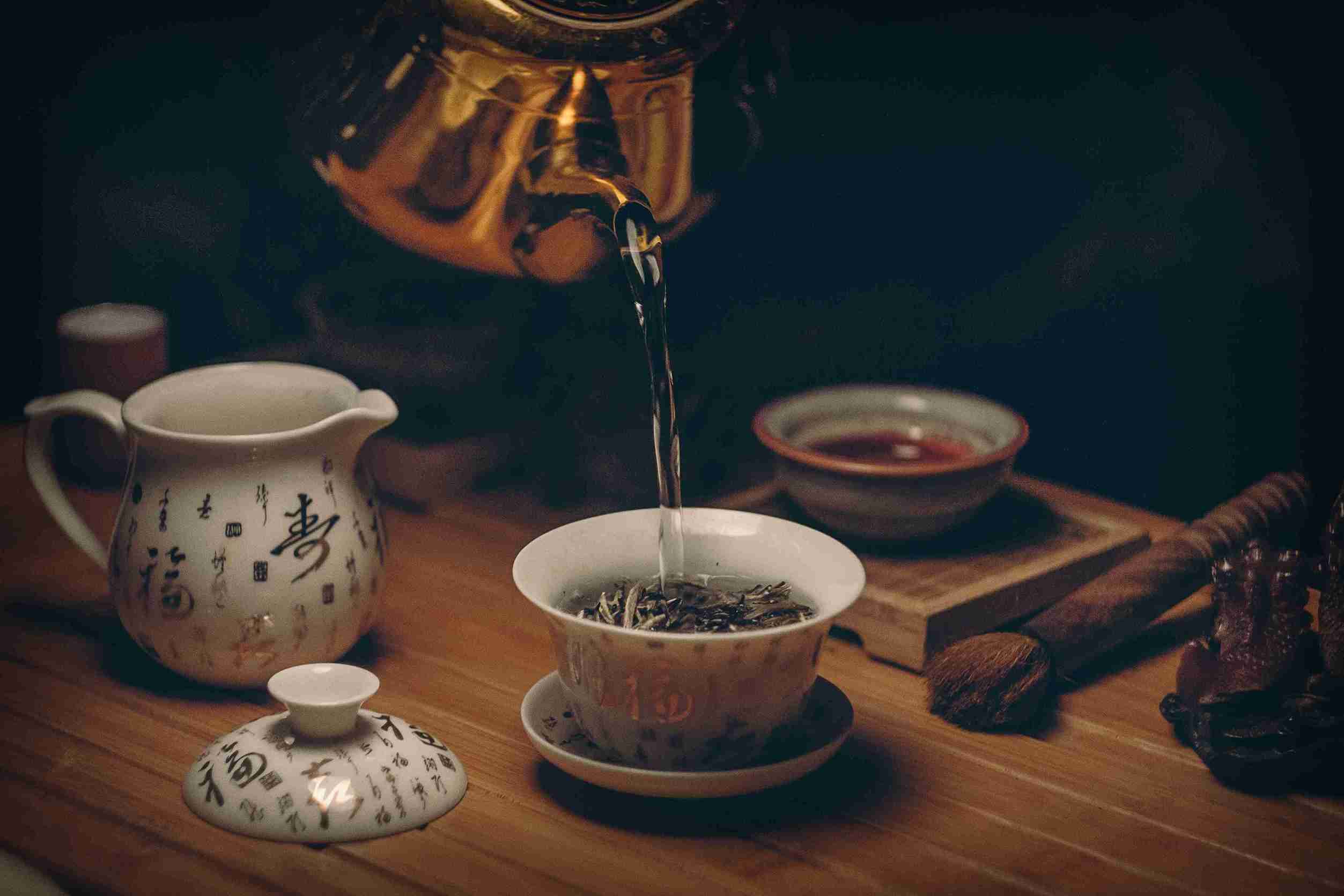
- Gong Fu brewing: A Chinese method involving small vessels and multiple short steeps for rich flavor concentration.
These methods aren’t essential for beginners but can elevate your tea journey over time.
Final Thoughts
Brewing the perfect cup of tea is part science, part art, and part personal preference. It’s a craft that deepens with time. You don’t need expensive tools or rare leaves—just attention to detail, curiosity, and a bit of patience.
Whether you enjoy a bold black tea or a subtle green infusion, the joy of tea lies not just in the drink, but in the process of making it.
So take a deep breath, boil some water, and brew with care. Every perfect cup begins with intention.