Tea is more than a beverage. It’s a ritual, a tradition, and for many, a moment of peace in a busy day. But brewing a truly great cup of tea takes more than hot water and leaves. Each type of tea—green, black, oolong, white, and herbal—has its own unique needs. Understanding these can transform your tea time from ordinary to extraordinary.
In this guide, you’ll learn how to brew each type of tea perfectly using time-tested techniques that enhance flavor, aroma, and satisfaction.
Why Brewing Techniques Matter
Brewing tea isn’t just about steeping leaves in hot water. The temperature, steeping time, leaf quantity, and even the brewing vessel play essential roles. If you’ve ever wondered why your green tea tastes bitter or your black tea feels too strong, chances are you’re not brewing it right for that specific type.
The key is understanding the unique characteristics of each tea and how they interact with heat and time.
Green Tea: Gentle Handling for Subtle Flavors
Green tea is delicate. Overheating or over-steeping can result in bitterness and astringency.
Brewing Tips:
- Water Temperature: 160°F to 180°F (70°C to 80°C)
- Steeping Time: 1 to 3 minutes
- Leaf Ratio: 1 teaspoon per 8 oz of water
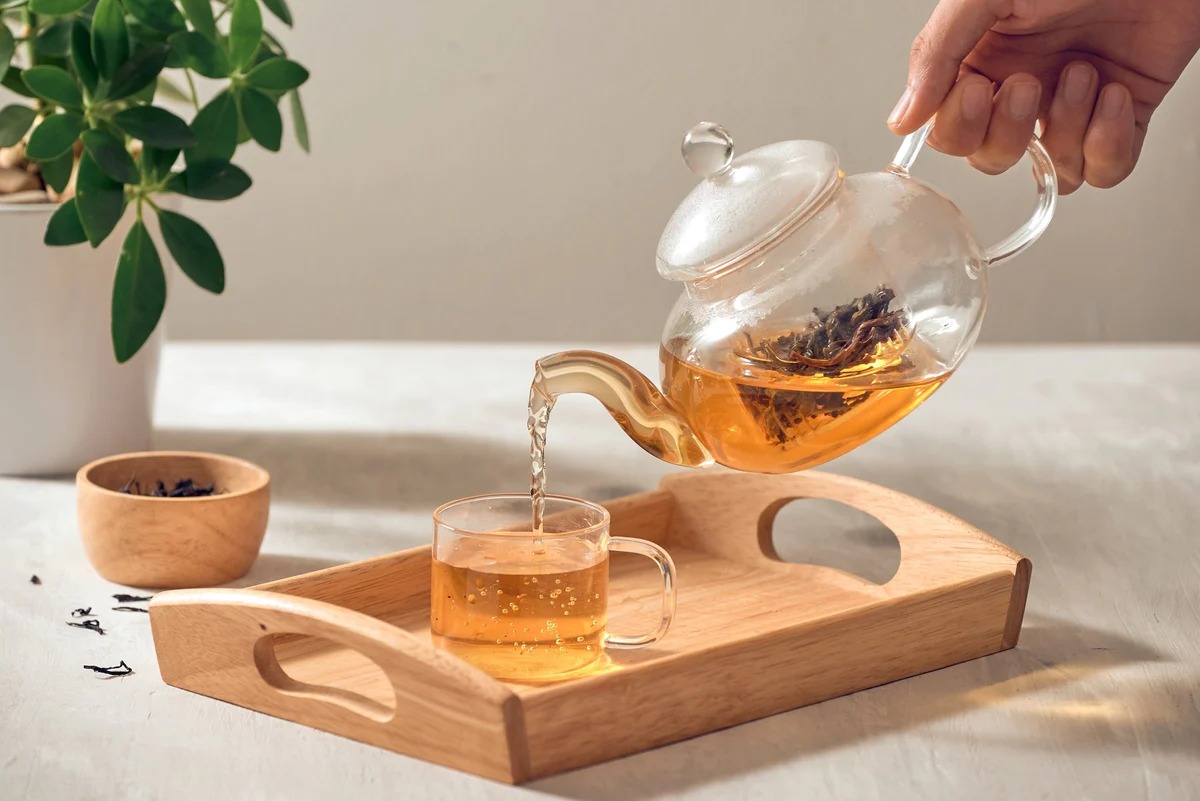
- Recommended Vessel: Glass or porcelain teapot
Technique: Warm your teapot first, then add the leaves. Pour water gently, covering the leaves evenly. Avoid squeezing tea bags or pressing leaves.
Green tea varieties like Sencha, Dragon Well, or Matcha have individual nuances, but all benefit from careful temperature control.
Black Tea: Bold Flavors Require Full Infusion
Black tea is more robust and forgiving, making it ideal for mornings or with milk and sugar.
Brewing Tips:
- Water Temperature: 200°F to 212°F (93°C to 100°C)
- Steeping Time: 3 to 5 minutes
- Leaf Ratio: 1 teaspoon per 8 oz of water
- Recommended Vessel: Ceramic or clay teapot
Technique: Use freshly boiled water and cover the pot to keep heat in. If you prefer astringency, steep longer. For smoother taste, go shorter. Assam, Darjeeling, and Earl Grey each develop rich notes with proper brewing.
Oolong Tea: The Art of Balance
Oolong teas lie between green and black teas in oxidation, offering complexity and layered flavors.
Brewing Tips:
- Water Temperature: 185°F to 205°F (85°C to 96°C)
- Steeping Time: 3 to 5 minutes
- Leaf Ratio: 1–2 teaspoons per 8 oz of water (depending on leaf roll)
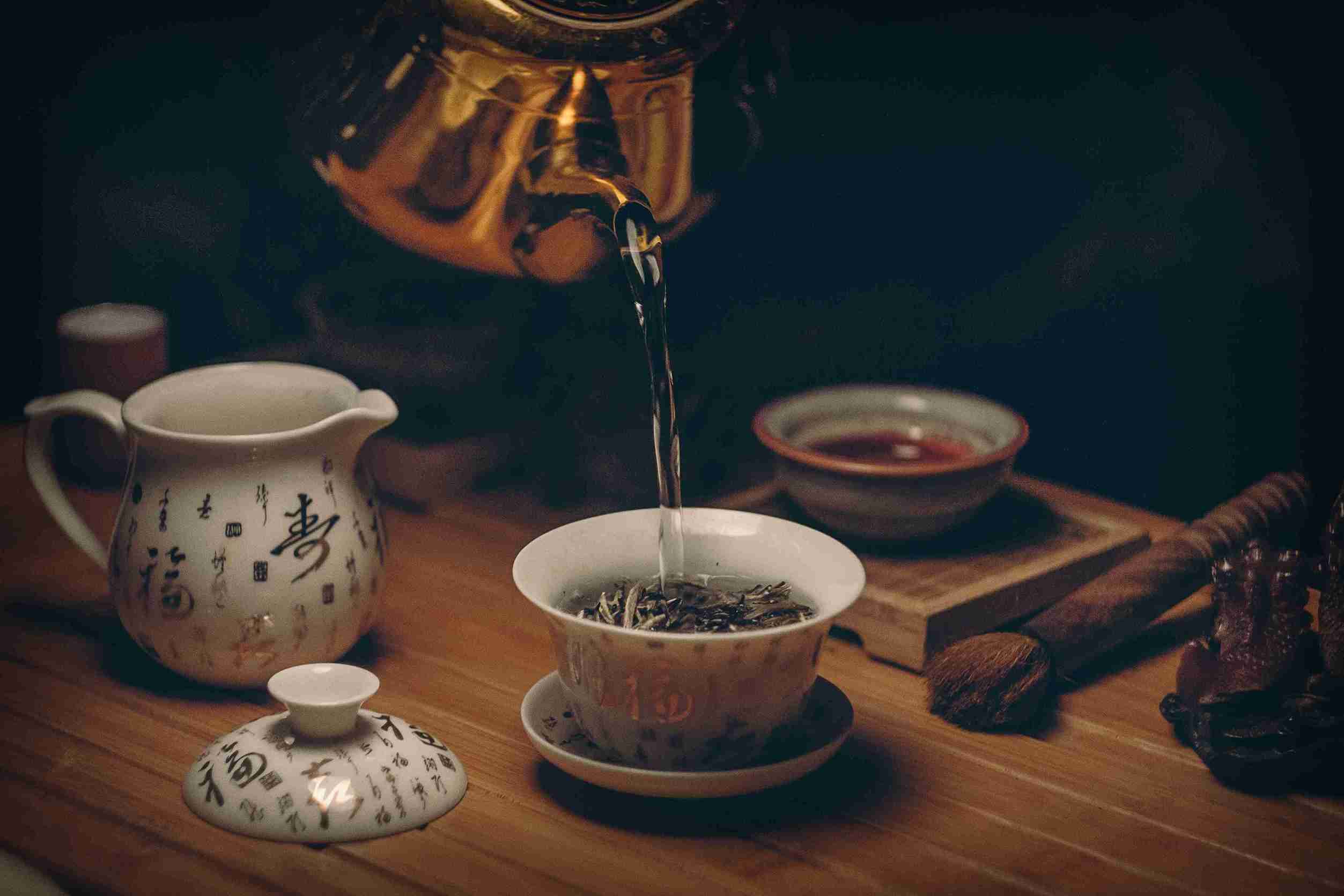
- Recommended Vessel: Yixing clay teapot or gaiwan
Technique: Rinse the leaves briefly with hot water before steeping. This “awakens” the leaves. Multiple infusions are encouraged, with each revealing different flavor notes.
Oolong is particularly suited for traditional brewing styles like gong fu cha, which uses smaller vessels and shorter steeping times across multiple rounds.
White Tea: Subtle and Sweet
White tea is the least processed, and its gentle nature demands a gentle hand.
Brewing Tips:
- Water Temperature: 160°F to 185°F (70°C to 85°C)
- Steeping Time: 4 to 5 minutes
- Leaf Ratio: 2 teaspoons per 8 oz of water
- Recommended Vessel: Porcelain or glass
Technique: Use slightly more leaf due to its light body. Avoid boiling water at all costs. Good varieties like Bai Mudan or Silver Needle reward patience with soft, floral notes.
White tea is perfect for those who appreciate subtlety over strength.
Herbal Tea (Tisanes): Steep Strong for Maximum Flavor
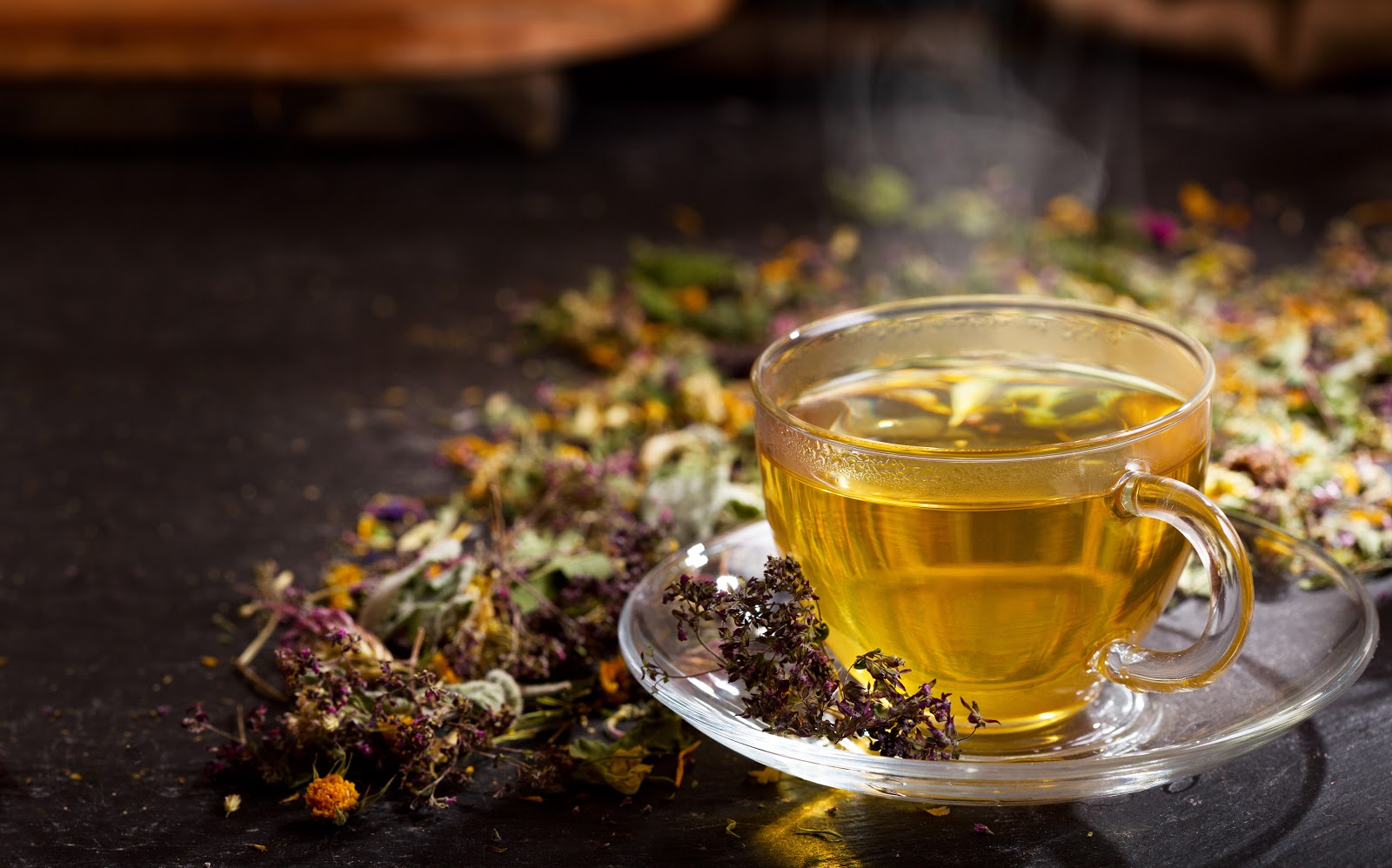
Since herbal teas contain no actual tea leaves, they brew differently. You’re often steeping flowers, roots, or dried fruits.
Brewing Tips:
- Water Temperature: 212°F (100°C)
- Steeping Time: 5 to 10 minutes
- Leaf Ratio: 1 tablespoon per 8 oz of water
- Recommended Vessel: Ceramic or glass teapot
Technique: Pour boiling water directly over herbs. For a deeper flavor, cover the pot while steeping to trap essential oils. Chamomile, peppermint, hibiscus, and rooibos all benefit from long, hot steeps.
Note: Some dense herbs like ginger or licorice root may need simmering instead of steeping.
Common Tea Brewing Mistakes to Avoid
Even experienced tea lovers fall into traps. Watch out for these common errors:
- Using boiling water for green or white tea: This scorches the leaves and ruins the flavor.
- Over-steeping: Leads to bitterness and unwanted astringency.
- Reusing bags or leaves too many times: Most teas lose their essence after the second steep.
- Using hard or chlorinated water: Always use fresh, filtered water for the best taste.
- Ignoring measurements: Eyeballing often leads to too much or too little flavor.
Equipment that Enhances Your Brewing
Using the right tools can elevate your tea game:
- Kettle with temperature control: Essential for green and white tea lovers.
- Tea infuser or strainer: Avoids leaf debris in your cup.
- Teapot with built-in filter: Great for oolong or herbal teas.
- Gaiwan or Yixing teapot: Ideal for gong fu-style brewing.
You don’t need everything to start, but as your appreciation grows, investing in quality gear pays off.
How to Brew Tea for Iced Variations
Want to enjoy your favorite tea cold? Here are two effective methods:
1. Cold Brew
- Add 1.5x the usual leaf amount to a jar of cold water.
- Steep in the fridge for 6–12 hours.
- Strain and enjoy.
This method works especially well for green, white, and fruity herbal teas. Cold brewing yields smooth, less astringent flavors.
2. Flash Chill
- Brew tea hot at double strength.
- Pour immediately over ice.
Perfect when you’re short on time and want bold flavor.
Final Thoughts
Brewing tea is both an art and a science. Once you understand how water temperature, timing, and leaf type interact, you’ll consistently make better cups. Whether you’re savoring delicate white teas or energizing blacks, the right method reveals each leaf’s full story.
Take the time to experiment. Taste slowly. And find the perfect brew that suits your day, your mood, and your style.