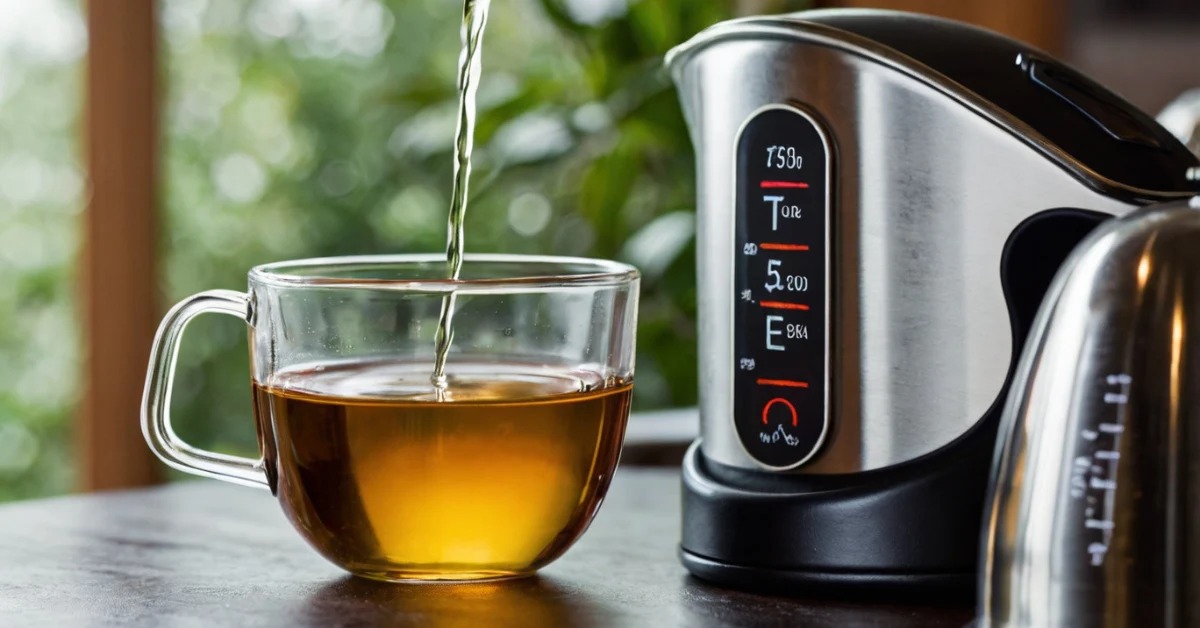
When it comes to brewing the perfect cup of tea, most people focus on the type of leaves, steeping time, or teapot. But one crucial factor often overlooked is water temperature. The right temperature can bring out the best flavors, aromas, and health benefits of your tea—while the wrong one can ruin even the finest leaves. In this guide, we’ll explore why water temperature matters, how it affects different types of tea, and how to master this often-misunderstood brewing element.
Why Water Temperature Matters
Tea is a delicate infusion. When hot water meets tea leaves, it extracts essential oils, flavors, caffeine, and antioxidants. If the water is too hot, it can burn the leaves, resulting in bitterness or harshness. If it’s too cold, it won’t extract enough, leaving your cup bland or weak. Water temperature directly affects the chemical reactions during steeping, which influence the taste, color, and aroma of your brew.
This makes controlling the temperature essential to ensure a consistent and enjoyable experience, whether you’re brewing green tea, black tea, or oolong.
Ideal Water Temperatures by Tea Type
- White Tea (160°F – 175°F / 70°C – 80°C)
White tea is the most delicate of all. Use water that’s below boiling to preserve its subtle floral and sweet notes. Too much heat will destroy its gentle flavor. - Green Tea (165°F – 185°F / 75°C – 85°C)
Green tea is also sensitive to high heat. Brewing with water that’s too hot can release bitter compounds like catechins and tannins. For a smooth and refreshing cup, stick to cooler temperatures. - Oolong Tea (185°F – 205°F / 85°C – 96°C)
Oolong falls between green and black teas. Depending on how oxidized it is, you might use slightly hotter water. Light oolongs lean toward green tea temperatures, while darker oolongs need more heat. - Black Tea (200°F – 212°F / 93°C – 100°C)
Black tea is fully oxidized and benefits from near-boiling water. This releases strong, full-bodied flavors and bold colors without bitterness. However, be cautious with more delicate or high-grade black teas—they might still require slightly cooler water. - Herbal Tea (200°F – 212°F / 93°C – 100°C)
Since herbal blends aren’t technically tea (they don’t contain Camellia sinensis), they usually require boiling water to extract flavor from roots, dried fruits, or flowers. You can steep herbs like chamomile or peppermint without worrying about burning them. - Pu-erh Tea (195°F – 212°F / 90°C – 100°C)
Pu-erh, a fermented tea from China, thrives with hot water. It benefits from multiple infusions, so using high-temperature water helps activate the complex flavor layers within each steep.
What Happens at Different Temperatures?
- 150°F – 170°F (65°C – 75°C): Gently warms the leaves and releases aromatic compounds. Ideal for fresh, tender leaves like white tea.
- 175°F – 185°F (80°C – 85°C): Activates L-theanine and amino acids, giving green tea its smooth, umami flavor.
- 190°F – 205°F (88°C – 96°C): Breaks down polyphenols and caffeine. Suitable for oolongs and black teas.
- Boiling point (212°F / 100°C): Maximizes extraction. Ideal for hearty blends and tisanes, but can scorch sensitive teas.
Signs You’re Using the Wrong Temperature
- Too hot: The tea tastes bitter, astringent, or overly dry. Leaves might look burnt or turn brown quickly.
- Too cold: The flavor is weak, flat, or grassy. The tea lacks aroma and color.
- Just right: You get a balance of taste, aroma, and mouthfeel. The tea feels smooth, rich, or clean depending on the type.
Measuring Water Temperature Without a Thermometer
Not everyone owns a digital kettle or kitchen thermometer. Fortunately, you can estimate water temperature by observing how the water behaves:
- 160°F (70°C): Steam rises in thin wisps, no bubbles yet.
- 175°F (80°C): Small bubbles form on the bottom of the pot.
- 185°F (85°C): Bubbles begin to rise, water is quietly steaming.
- 195°F (90°C): Consistent bubble streams start forming.
- 205°F (96°C): Rolling bubbles with vigorous steam.
- 212°F (100°C): Full rolling boil.
Alternatively, boil water and let it rest:
- Wait 30 seconds for green tea.
- Wait 1 minute for white tea.
- Use immediately for black or herbal tea.
Tips to Get the Temperature Right Every Time
- Use an electric kettle with temperature settings. This is the easiest and most precise option.
- Use a thermometer. A digital kitchen thermometer can measure your water accurately.
- Let boiling water cool naturally. As a rule of thumb, water cools about 5–10°F every 10 seconds off the heat.
- Pre-warm your teapot or cup. This helps keep the temperature stable during steeping.
- Invest in a gooseneck kettle. Especially useful for pour-over control and precision.
How Temperature Affects Caffeine and Antioxidants
Temperature also plays a role in how much caffeine and antioxidants are released:
- Higher temperatures extract more caffeine and polyphenols (like catechins), which can increase bitterness but also boost health benefits.
- Lower temperatures preserve L-theanine and keep the tea smoother and less stimulating.
If you’re aiming for a low-caffeine cup with calming effects, use cooler water with green or white tea. If you need a strong energy boost, go hotter with black or pu-erh tea.
Final Thoughts: Brewing Tea Is Both Science and Art
Understanding how water temperature affects your tea brewing is a game-changer. It’s one of the easiest ways to upgrade your tea experience without spending more on expensive leaves or gear. With a bit of attention to temperature, you’ll notice richer aromas, balanced flavors, and more satisfying cups—no matter your tea preference.
Whether you’re sipping solo in the morning or sharing a pot with friends, mastering water temperature helps you get the most from every brew. Over time, this knowledge becomes second nature, and you’ll intuitively know how to treat each tea type with care.