Tea is more than a beverage. It’s a ritual, a source of comfort, and for many, an everyday necessity. Whether you enjoy a calming green tea in the afternoon or a bold black tea to start your day, one thing remains true—brewing tea the right way makes all the difference.
For beginners, brewing tea can feel deceptively simple. Just add hot water to tea, right? Not quite. Perfecting tea brewing involves temperature control, steeping time, water quality, and knowing your leaves. The good news? Anyone can master it with a little guidance.
In this beginner-friendly guide, you’ll learn practical brewing techniques to bring out the best flavor in your tea, every single time.
1. Know Your Tea Types
Before anything else, identify the type of tea you’re working with. The five major types each have unique brewing requirements:
- Black Tea: Strong and bold. Ideal for mornings.
- Green Tea: Light and grassy. Great for relaxation.
- White Tea: Subtle and delicate. Often minimally processed.
- Oolong Tea: Between green and black. Complex and aromatic.
- Herbal Tea (technically tisanes): Made from herbs, fruits, or flowers. Caffeine-free.
Each requires a different approach. Using the same method for all teas can result in bitter or bland brews.
2. Use Fresh, Quality Tea
The foundation of good tea is quality leaves. Loose-leaf teas provide better flavor than standard tea bags because they contain whole leaves, not crushed remnants or “tea dust.”
Buy your tea from reputable sources, either local tea shops or trusted online retailers. Store your tea in airtight containers away from light, heat, and moisture to preserve freshness.
3. Filtered Water Makes a Difference
Tea is over 95% water, so the water you use has a huge impact on taste. Tap water that’s heavily chlorinated or hard may distort the tea’s flavor profile.
Tips for better water:
- Use filtered or spring water.
- Avoid distilled water—it lacks minerals that help carry the flavor.
- Start with cold water, not hot tap water, for better oxygen content.
4. Master the Right Temperature
Different teas need different temperatures. Using boiling water on green or white tea can scorch the leaves and cause bitterness, while cooler water won’t extract the full flavor from black or herbal teas.
Here’s a general temperature guide:
- Green tea: 70°C – 80°C
- White tea: 75°C – 85°C
- Oolong tea: 85°C – 90°C
- Black tea: 95°C – 100°C
- Herbal tea: 100°C (boiling)
No thermometer? Wait 1–2 minutes after boiling to cool the water slightly for green or white teas.
5. Measure the Right Amount of Leaves
The correct leaf-to-water ratio ensures the tea isn’t too strong or too weak. A basic guideline:
- 1 teaspoon of loose leaf tea per 8-oz cup of water
For rolled or dense teas like oolong, you may need 1.5 teaspoons. Use a digital kitchen scale for more precision if you’re aiming for consistency.
6. Preheat Your Cup or Teapot
Pour hot water into your mug or teapot, swirl it around, then discard. This preheats the vessel so the brewing water doesn’t cool too quickly. It helps maintain optimal temperature during steeping, which is especially important for delicate teas.
7. Steep Time Matters
Steeping time affects flavor just as much as temperature. Over-steeping can draw out bitter compounds, while under-steeping results in weak tea.
Here’s a basic steeping guide:
- Green tea: 1–3 minutes
- Black tea: 3–5 minutes
- Oolong tea: 3–5 minutes
- White tea: 4–5 minutes
- Herbal tea: 5–7 minutes
Set a timer. Guessing leads to inconsistent results. Always remove the leaves or tea bag after the steeping time is up to prevent over-extraction.
8. Use the Right Tools
You don’t need a fancy tea set to brew good tea, but the right tools make it easier.
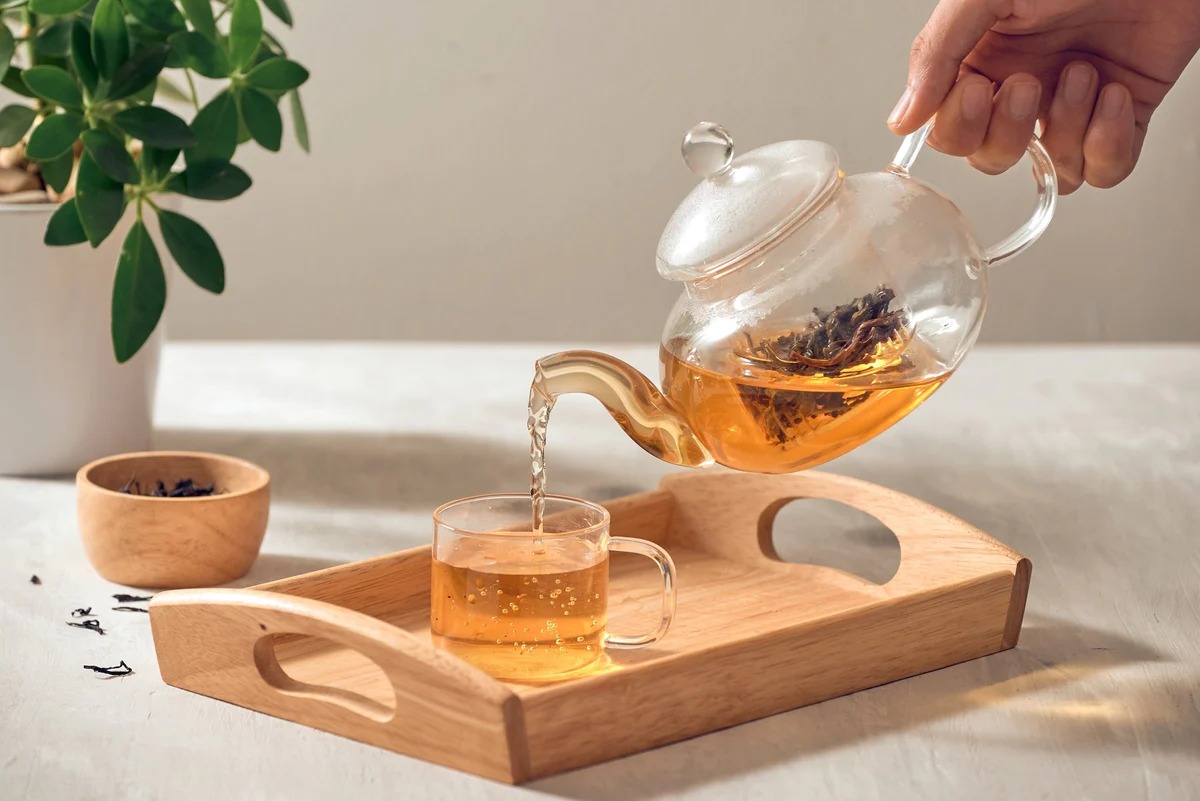
- Teapot: Great for multiple cups. Choose ceramic, glass, or clay.
- Tea infuser: Ideal for single cups. Stainless steel baskets or mesh balls work well.
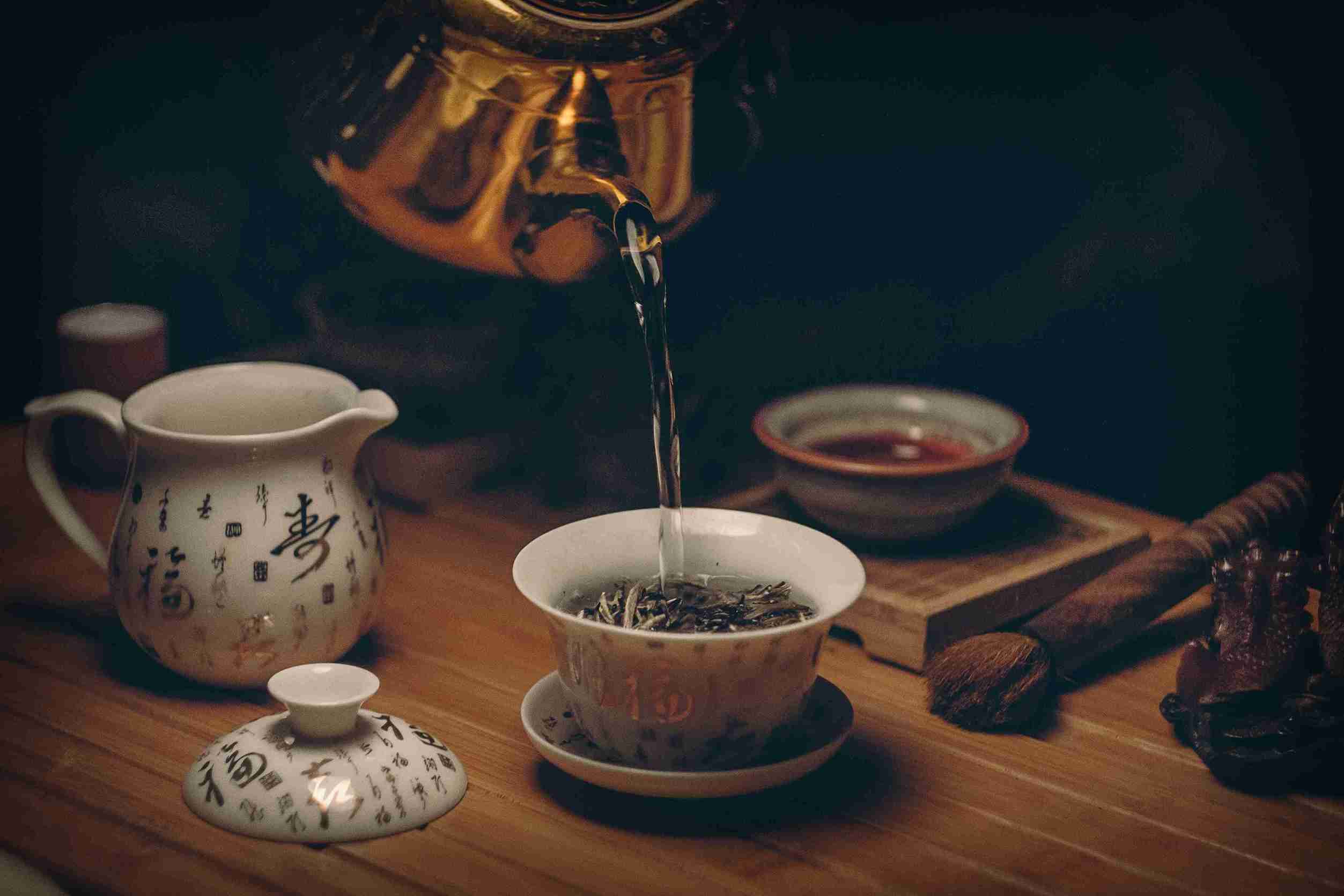
- Gaiwan or Yixing clay pot: Used for advanced brewing techniques like Gong Fu Cha.
- Electric kettle with temperature control: Helpful for brewing different types of tea accurately.
Avoid plastic or overly small infusers. They can restrict leaf expansion, which limits flavor release.
9. Don’t Add Extras Too Early
Beginners often add sugar, honey, lemon, or milk right away. But first, taste the tea on its own.
High-quality tea has complex natural notes. Sweeteners and milk can mask those. If you decide to add anything, do so after tasting the plain brew.
Some teas—like English Breakfast or chai—pair well with milk. Others, like green or oolong teas, are better without it.
10. Try Multiple Infusions
Some teas, especially oolong and pu-erh, are designed for multiple infusions. The flavor can change and deepen with each steep.
How to do it:
- Use a generous amount of tea leaves.
- Steep the first brew for a shorter time (30 seconds to 1 minute).
- Gradually increase the steep time for each subsequent infusion.
This technique offers a more nuanced tea experience and makes quality tea leaves go further.
11. Try Cold Brewing
Cold brewing is an easy, beginner-friendly method that requires no kettle or thermometer.
Steps:
- Add 1.5 teaspoons of loose leaf tea per cup of cold water.
- Place in the fridge for 6–12 hours.
- Strain and serve.
Cold brew tea has a smoother, sweeter taste and is less likely to become bitter. Great for green, white, or fruit-infused herbal teas.
12. Keep a Tea Journal
Track what you brew and how you liked it. Record:
- Tea name and origin
- Water temperature
- Steep time
- Amount of tea used
- Taste notes
- Rating or final thoughts
Over time, you’ll refine your technique and discover your personal preferences.
13. Practice Makes Perfect
You might not get it right every time, and that’s okay. Brewing tea is part skill, part exploration. Experiment with steeping times, temperatures, and water types. The more you brew, the better your instincts will become.
Start with simple black or green teas, then branch out to more complex types like oolong, matcha, or pu-erh. Taste and practice are your best teachers.
Final Thoughts
Learning to brew tea properly opens the door to a richer, more enjoyable experience. With just a few tools and techniques, beginners can unlock the full flavor and beauty of tea, one cup at a time.
Tea is both simple and sophisticated. The key is attention. A few extra seconds to cool the water, a properly measured scoop, a well-timed steep—these small acts lead to a vastly better brew.
Whether you’re drinking alone for quiet reflection or sharing a pot with friends, every great cup starts with knowing how to brew it right.